We ship to the United States, its territories and outlying islands. Returns are accepted within 30 days of receipt. Full warranty information can be found here.






✓ Plant with Confidence—Guaranteed Through 2027
 Get it between -
Open-pollinated varieties, perfect for seed saving.
Safe seeds, free of neonics and other treatments.
It's simple. If you have a problem, we make it right.
Cucurbita argyrosperma
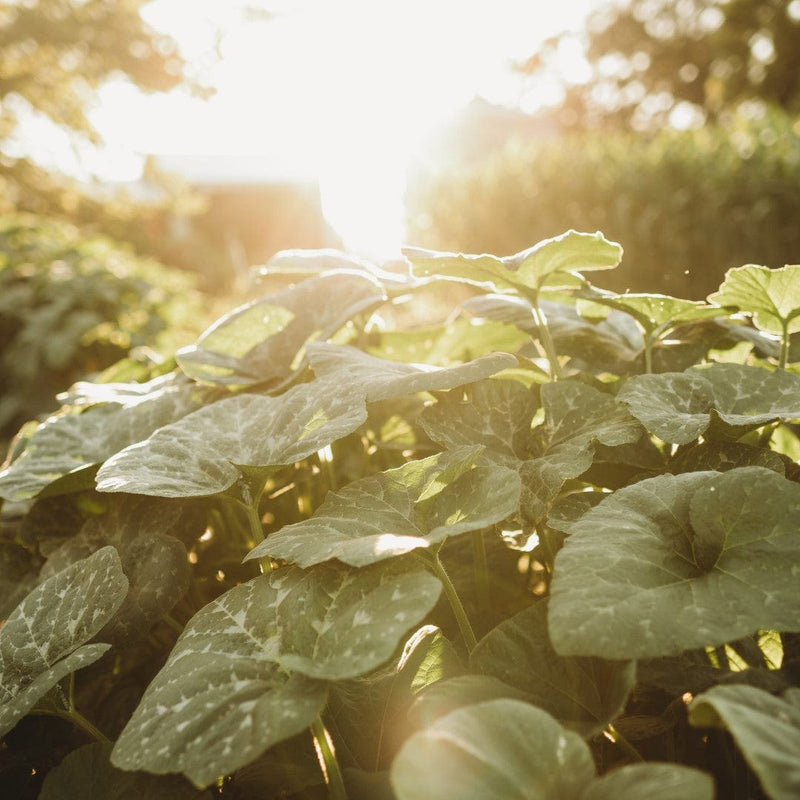
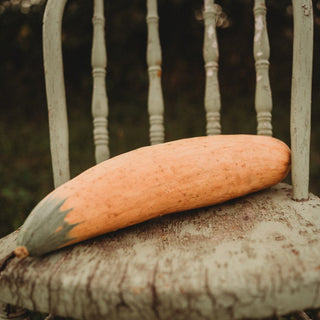
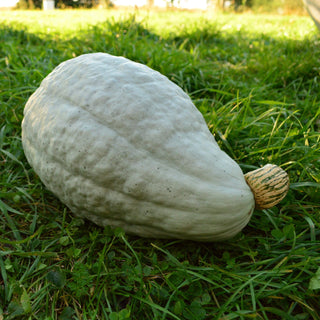
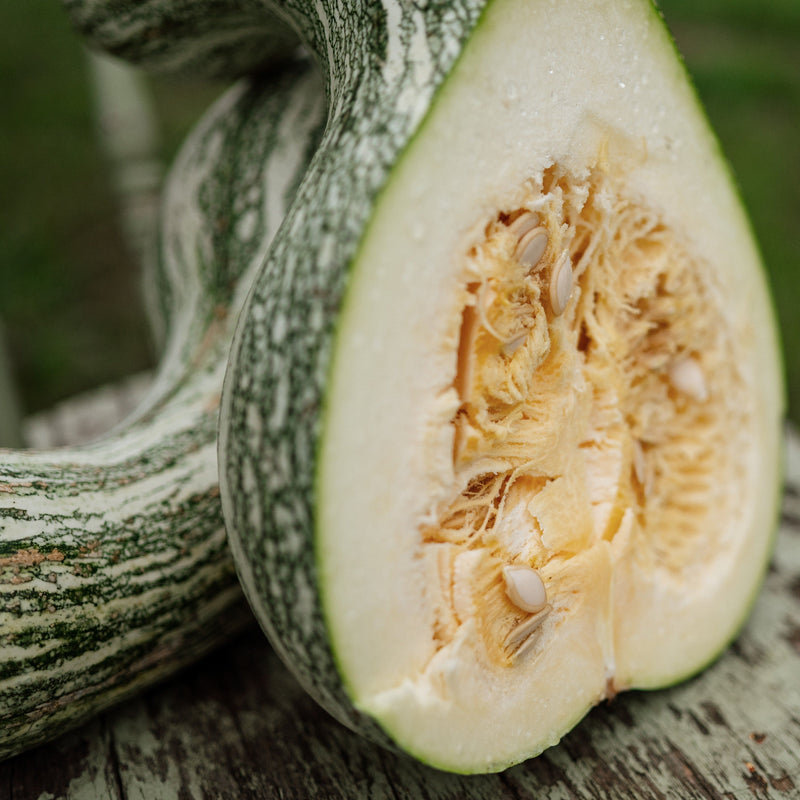
Green Striped Cushaw is an heirloom crookneck squash long prized across the American South for its flavor, productivity, and resilience. The creamy-white rind is beautifully marked with green stripes that fade as the fruit mature, creating a striking display in the garden or on the porch. In our trials, vines yielded abundantly and showed impressive resistance to squash vine borers—even when nearby pumpkins suffered heavy damage. Fruit average 10–20 lbs and keep exceptionally well, often lasting six months or more in storage.
Inside, the light-colored flesh is fine-grained, dry, and pleasantly sweet—similar to a sweet potato in both texture and flavor. Traditionally favored over standard p... More
Cucurbita argyrosperma
Green Striped Cushaw is an heirloom crookneck squash long prized across the American South for its flavor, productivity, and resilience. The creamy-white rind is beautifully marked with green stripes that fade as the fruit mature, creating a striking display in the garden or on the porch. In our trials, vines yielded abundantly and showed impressive resistance to squash vine borers—even when nearby pumpkins suffered heavy damage. Fruit average 10–20 lbs and keep exceptionally well, often lasting six months or more in storage.
Inside, the light-colored flesh is fine-grained, dry, and pleasantly sweet—similar to a sweet potato in both texture and flavor. Traditionally favored over standard pumpkins for pies and baking, Green Striped Cushaw remains a Southern favorite for fall cooking and a reminder of an era when pumpkins were grown for the table, not for carving. The variety dates back well before the 1890s and was once known as “Cushaw Pumpkin,” “Striped Crookneck,” and “Striped Cushaw.”
Whether you grow it for beauty, flavor, or the sheer satisfaction of a squash that thrives where others fail, Green Striped Cushaw delivers in every way—high yields, long storage, and timeless tradition. Matures approximately 95 days after sowing. Each packet contains a minimum of 25 seeds.
Cucurbita argyrosperma
Green Striped Cushaw is an heirloom crookneck squash long prized across the American South for its flavor, productivity, and resilience. The creamy-white rind is beautifully marked with green stripes that fade as the fruit mature, creating a striking display in the garden or on the porch. In our trials, vines yielded abundantly and showed impressive resistance to squash vine borers—even when nearby pumpkins suffered heavy damage. Fruit average 10–20 l... read more
Cucurbita argyrosperma
Green Striped Cushaw is an heirloom crookneck squash long prized across the American South for its flavor, productivity, and resilience. The creamy-white rind is beautifully marked with green stripes that fade as the fruit mature, creating a striking display in the garden or on the porch. In our trials, vines yielded abundantly and showed impressive resistance to squash vine borers—even when nearby pumpkins suffered heavy damage. Fruit average 10–20 lbs and keep exceptionally well, often lasting six months or more in storage.
Inside, the light-colored flesh is fine-grained, dry, and pleasantly sweet—similar to a sweet potato in both texture and flavor. Traditionally favored over standard pumpkins for pies and baking, Green Striped Cushaw remains a Southern favorite for fall cooking and a reminder of an era when pumpkins were grown for the table, not for carving. The variety dates back well before the 1890s and was once known as “Cushaw Pumpkin,” “Striped Crookneck,” and “Striped Cushaw.”
Whether you grow it for beauty, flavor, or the sheer satisfaction of a squash that thrives where others fail, Green Striped Cushaw delivers in every way—high yields, long storage, and timeless tradition. Matures approximately 95 days after sowing. Each packet contains a minimum of 25 seeds.