We ship to the United States, its territories and outlying islands. Returns are accepted within 30 days of receipt. Full warranty information can be found here.

Free Shipping on Orders $35+
✓ Plant with Confidence—Guaranteed Through 2027
Get it between -
We ship to the United States, its territories and outlying islands. Returns are accepted within 30 days of receipt. Full warranty information can be found here.
We guarantee our seed to be fresh, vigorous, untreated, and true to variety.
Each packet is guaranteed through the year printed on the packet, plus one full additional growing year.
If your seeds fail to germinate, arrive damaged, or do not grow true to type, please contact us and we will make it right through replacement seed, store credit, or refund when appropriate.
Full warranty policy here.
Open-pollinated varieties, perfect for seed saving.
Safe seeds, free of neonics and other treatments.
It's simple. If you have a problem, we make it right.
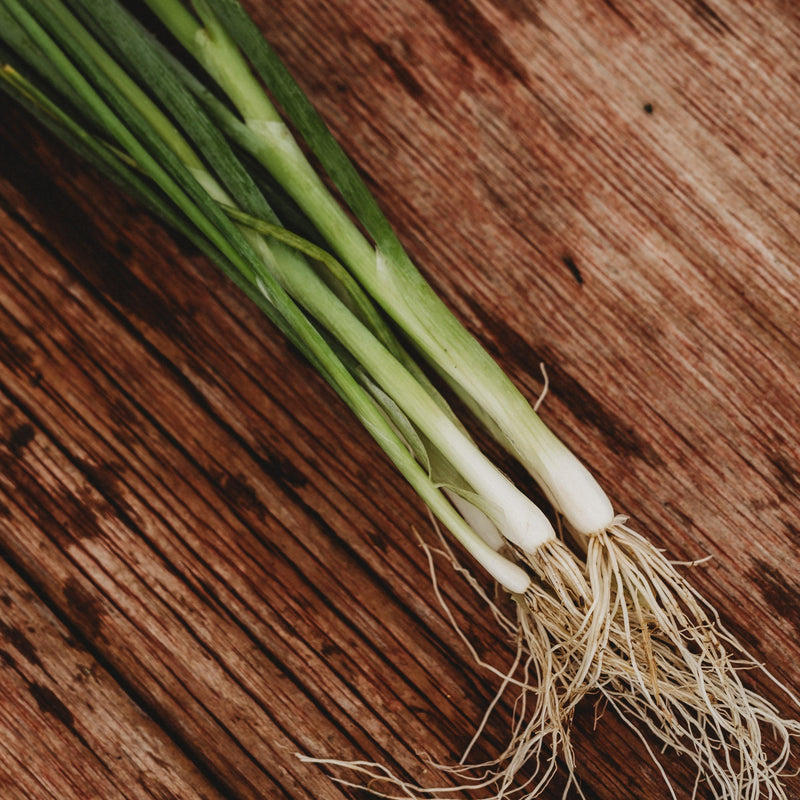
Allium fistulosum
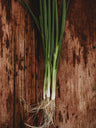
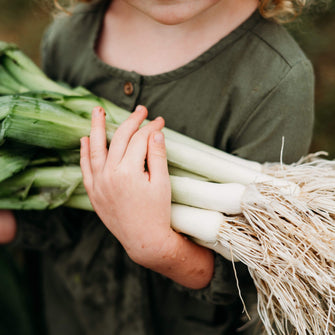
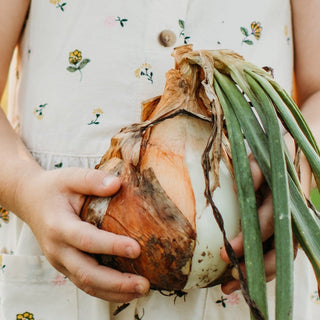
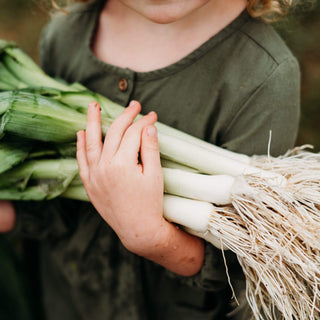
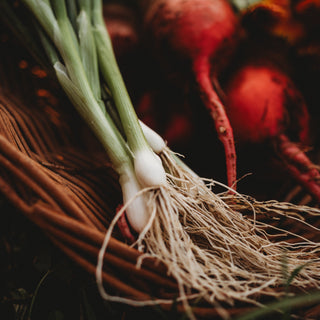
Tokyo Long White Bunching is a Japanese heirloom bunching onion produces pungent, blue-green tops subtended by a tender, pure white base. Their ease-of-growth and mild flavor makes Tokyo Bunching onion a great variety to include in the kitchen garden. Plant a short row and you'll have fresh green onions on hand anytime you need them. Plants mature a few weeks before Heshiko Bunching Onions, but do not overwinter as well. Approximately 65 to 70 days to harvest. Each packet contains a minimum of 100 seeds.
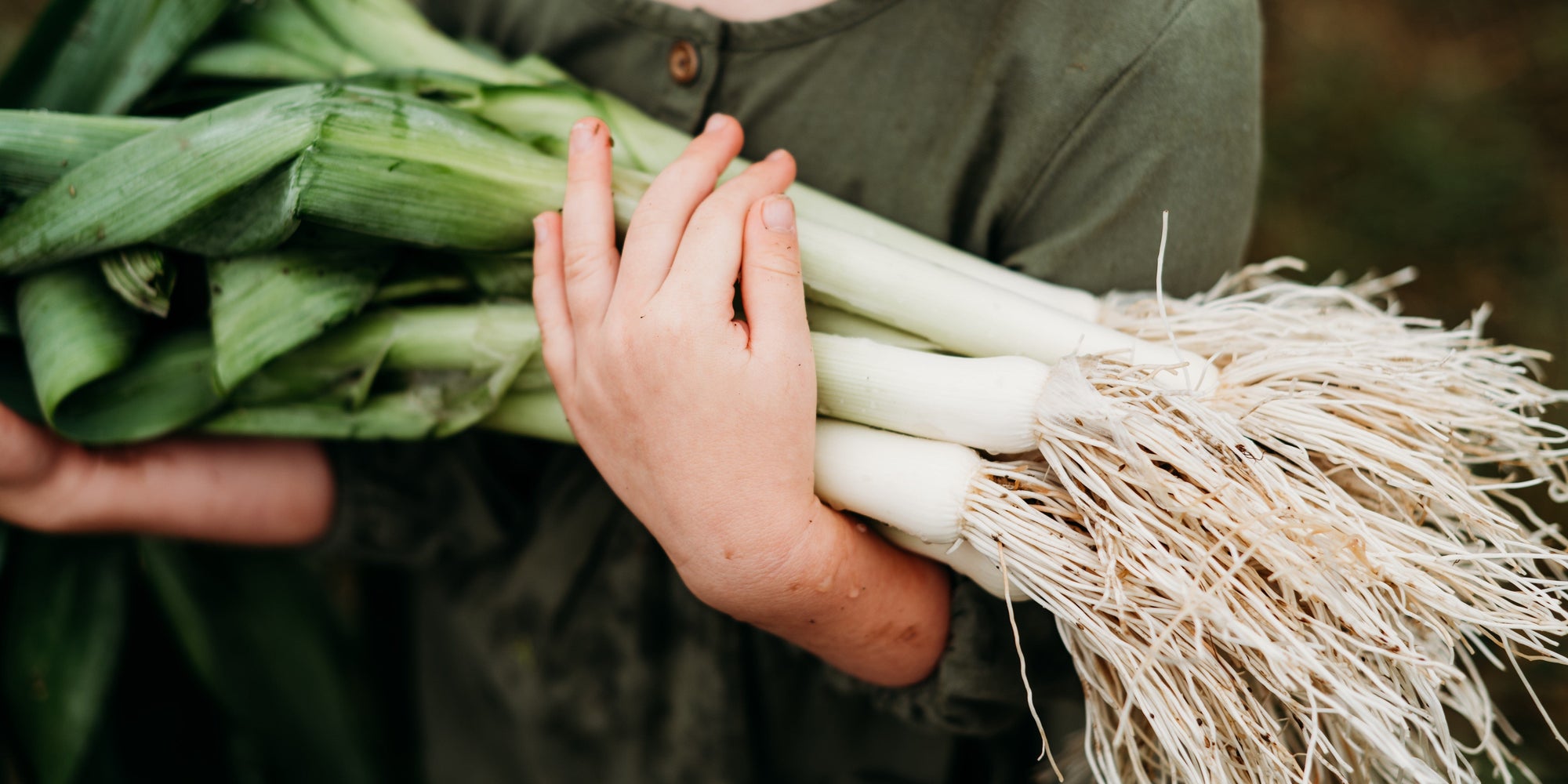
Allium fistulosum
Tokyo Long White Bunching is a Japanese heirloom bunching onion produces pungent, blue-green tops subtended by a tender, pure white base. Their ease-of-growth and mild flavor makes Tokyo Bunching onion a great variety to include in the kitchen garden. Plant a short row and you'll have fresh green onions on hand anytime you need them. Plants mature a few weeks before Heshiko Bunching Onions, but do not overwinter as well. Approximately 65 to 70 days to ... read more
Allium fistulosum
Tokyo Long White Bunching is a Japanese heirloom bunching onion produces pungent, blue-green tops subtended by a tender, pure white base. Their ease-of-growth and mild flavor makes Tokyo Bunching onion a great variety to include in the kitchen garden. Plant a short row and you'll have fresh green onions on hand anytime you need them. Plants mature a few weeks before Heshiko Bunching Onions, but do not overwinter as well. Approximately 65 to 70 days to harvest. Each packet contains a minimum of 100 seeds.
We care about what we put in your hands and in the soil. That’s why our seeds are never treated with neonicotinoids or any other chemicals. Our varieties are all non-GMO and non-hybrid, so you can save seeds from your plants and grow them again next year.
Bunching onions, also known as scallions, grow best in loose, well-draining soil with a pH range of 6.0 to 7.5. They prefer full sun but can tolerate some shade. The soil should be kept evenly moist, but not waterlogged, and regular fertilization can help promote healthy growth. Bunching onions can also be grown in containers with similar soil and sunlight requirements, provided they are at least 6 inches deep and have good drainage.
Sow seeds in early spring, as soon as soil can be worked. Can also be fall-sown in mild winter climates. Sprinkle seeds in a narrow, 2" wide band and cover with fine soil. Space rows 12-18" apart. Keep well-watered until germination has occurred (7-10 days). Maintain consistent moisture and keep well weeded until seedlings are established.
Not recommended
Insect Pests
Although not a problem for most gardeners, onion maggots are the predominant threat to bunching onions and can cause stunted growth and even death of young plants. To prevent and control these pests, it's recommended to rotate crops, remove any infested plant debris, and use insecticidal sprays or dusts as needed. Sticky traps placed near the base of plants can also be used to monitor and trap the adults.
Diseases & Other Problems
Bunching onions are relatively easy to grow and rarely need supplemental fertilizer, however if nutrients are a concern a low dose of a well-balanced fertilizer will suffice.
Harvest bunching onions by pulling them out when they reach desired size. Clean them and trim the roots. Store them in a cool, dry place away from direct sunlight, or refrigerate them in a plastic bag with holes for ventilation for up to 2 weeks.
CONSIDERATIONS:
Bunching onions belong to the Allium fistulosum species and are inbreeding plants that require a vernalization period to produce seed. Although distinct from common, bulbing onions, the two species do occasionally cross and should be separated by at least a mile if two seed crops are being produced simultaneously. Alternatively, different varieties may be caged to prevent cross pollination by insects. Plants should be mulched in areas with harsh winters.
HARVESTING SEED:
Plants will flower and produce seed in the second year. Bunching onion seeds are prone to shattering (falling off the plant) so they should be harvested as soon as the pods start to dry. To harvest seeds, place mature heads over a bag or bucket and clip the head from the stem. Place the heads in a paper or cloth bag and crush to release the seeds. Winnow and store in an airtight container until ready to use.
SEED LONGETIVITY:
Bunching onion seeds will remain viable for two years when stored under ideal conditions.
Sign up to get the latest on sales, new releases, and more...