We ship to the United States, its territories and outlying islands. Returns are accepted within 30 days of receipt. Full warranty information can be found here.






✓ Plant with Confidence—Guaranteed Through 2027
 Get it between -
Open-pollinated varieties, perfect for seed saving.
Safe seeds, free of neonics and other treatments.
It's simple. If you have a problem, we make it right.

Pisum sativum
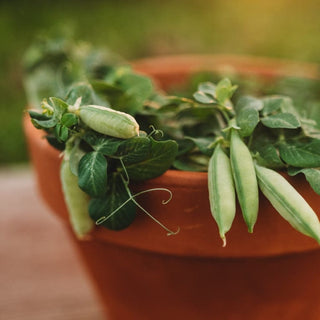
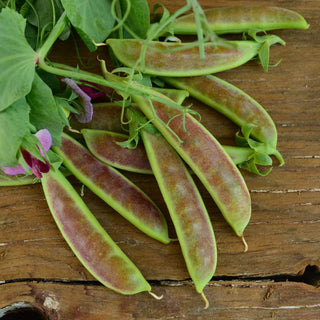
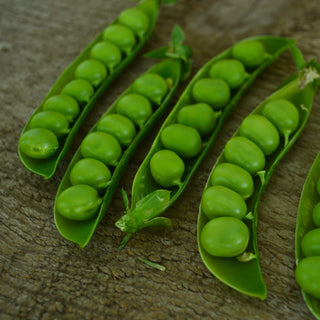
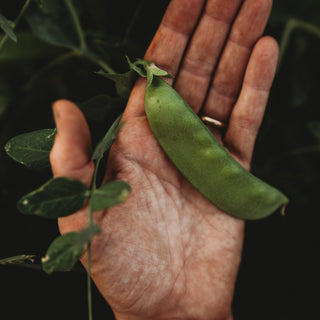
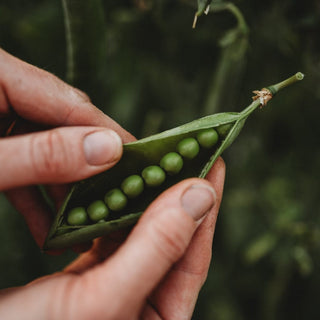
Green Arrow is an exceptionally productive English shelling pea that produces enormous quantities of long, slender pods filled with sweet, tender peas. The compact, bush-type plants grow approximately 24–30 inches tall and develop impressive clusters of 4–5-inch pods, each containing 8–11 plump, bright green peas. In our growing trials, Green Arrow proved to be one of the most productive shelling peas we've encountered, producing remarkable harvests from relatively small plants.
Originally developed in England and introduced around 1971, Green Arrow is also known as Green Shaft, a fitting name for its remarkably long, straight pods. Bred as a main-season shelling pea, this dependable variety combin... More
Pisum sativum
Green Arrow is an exceptionally productive English shelling pea that produces enormous quantities of long, slender pods filled with sweet, tender peas. The compact, bush-type plants grow approximately 24–30 inches tall and develop impressive clusters of 4–5-inch pods, each containing 8–11 plump, bright green peas. In our growing trials, Green Arrow proved to be one of the most productive shelling peas we've encountered, producing remarkable harvests from relatively small plants.
Originally developed in England and introduced around 1971, Green Arrow is also known as Green Shaft, a fitting name for its remarkably long, straight pods. Bred as a main-season shelling pea, this dependable variety combines excellent productivity with a manageable plant habit and resistance to several common pea diseases.
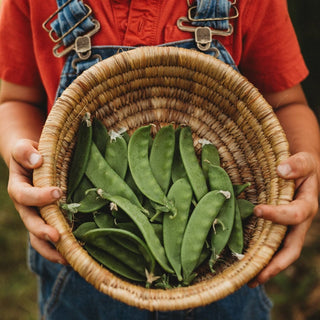
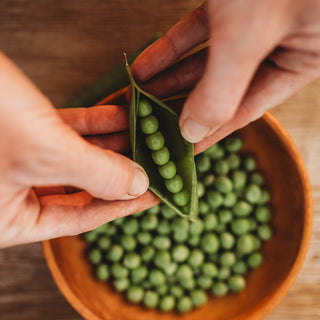
Green Arrow is an outstanding choice for gardeners who enjoy preserving their harvest. Its abundant production makes gathering enough peas for canning or freezing wonderfully rewarding, while the tender texture and excellent, sweet flavor are equally enjoyable fresh from the garden. Whether served alongside a family dinner or tucked away for winter meals, Green Arrow delivers the generous harvests and delicious flavor that make growing your own peas so worthwhile. Approximately 65–70 days to maturity. Each packet contains a minimum of 50 seeds.
Pisum sativum
Green Arrow is an exceptionally productive English shelling pea that produces enormous quantities of long, slender pods filled with sweet, tender peas. The compact, bush-type plants grow approximately 24–30 inches tall and develop impressive clusters of 4–5-inch pods, each containing 8–11 plump, bright green peas. In our growing trials, Green Arrow proved to be one of the most productive shelling peas we've encountered, producing remarkable harvests from relat... read more
Pisum sativum
Green Arrow is an exceptionally productive English shelling pea that produces enormous quantities of long, slender pods filled with sweet, tender peas. The compact, bush-type plants grow approximately 24–30 inches tall and develop impressive clusters of 4–5-inch pods, each containing 8–11 plump, bright green peas. In our growing trials, Green Arrow proved to be one of the most productive shelling peas we've encountered, producing remarkable harvests from relatively small plants.
Originally developed in England and introduced around 1971, Green Arrow is also known as Green Shaft, a fitting name for its remarkably long, straight pods. Bred as a main-season shelling pea, this dependable variety combines excellent productivity with a manageable plant habit and resistance to several common pea diseases.
Green Arrow is an outstanding choice for gardeners who enjoy preserving their harvest. Its abundant production makes gathering enough peas for canning or freezing wonderfully rewarding, while the tender texture and excellent, sweet flavor are equally enjoyable fresh from the garden. Whether served alongside a family dinner or tucked away for winter meals, Green Arrow delivers the generous harvests and delicious flavor that make growing your own peas so worthwhile. Approximately 65–70 days to maturity. Each packet contains a minimum of 50 seeds.