We ship to the United States, its territories and outlying islands. Returns are accepted within 30 days of receipt. Full warranty information can be found here.






✓ Plant with Confidence—Guaranteed Through 2027
 Get it between -
Open-pollinated varieties, perfect for seed saving.
Safe seeds, free of neonics and other treatments.
It's simple. If you have a problem, we make it right.
Solanum pimpinellifolium
Expand this section for tips on germinating Everglades tomato seeds.
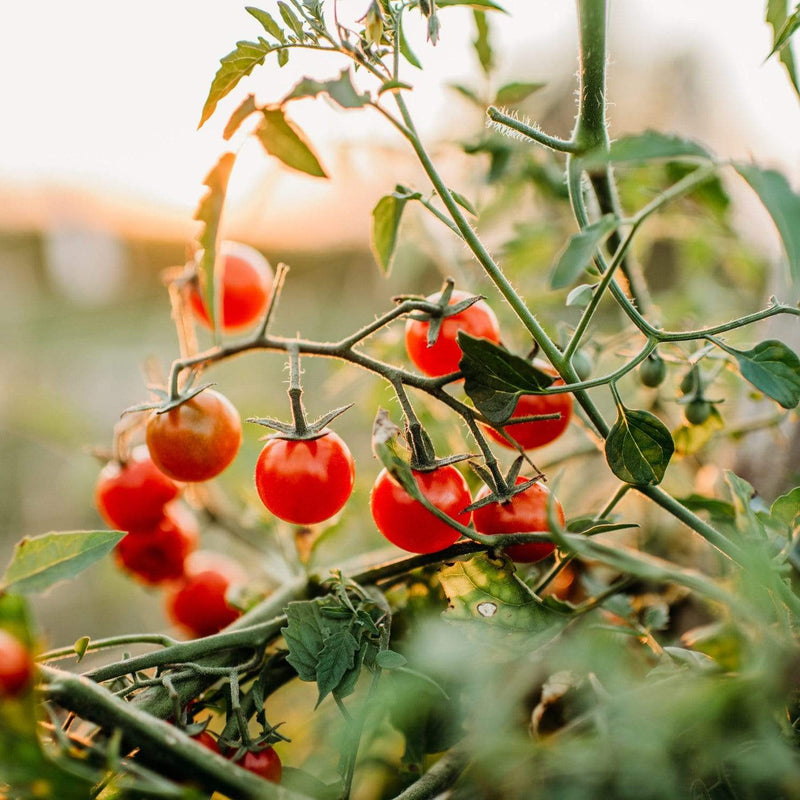
The Everglades tomato is an heirloom currant-type tomato that produces bucket loads of small, half inch-wide fruit with pink skins and a rich tomato flavor. Sometimes known as Wild Florida Everglades or simply Wild Tomato, this variety lives up to its reputation. The large, disease-resistant plants seem to excel in extreme heat, shrug their shoulders at drouthy spells, and grow with such vigor that they quickly overtake their cages like kudzu on an outhouse. Don't let that part discourage you, though, these guys earn their keep, producing thousands upon thousands of cherry tomatoes over a single seaso... More
Solanum pimpinellifolium
Expand this section for tips on germinating Everglades tomato seeds.
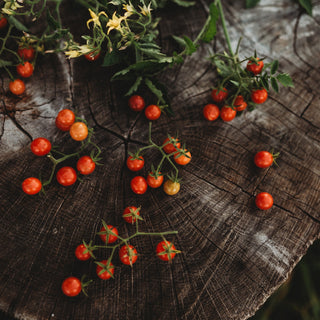
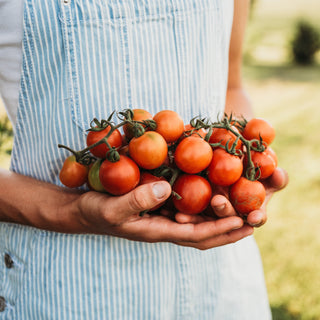
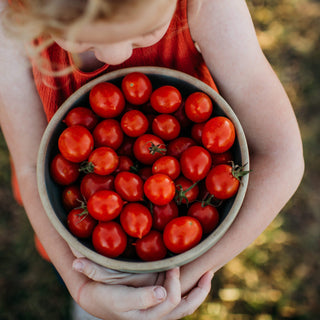
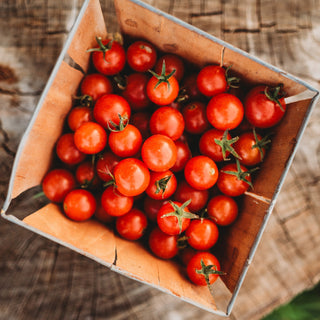
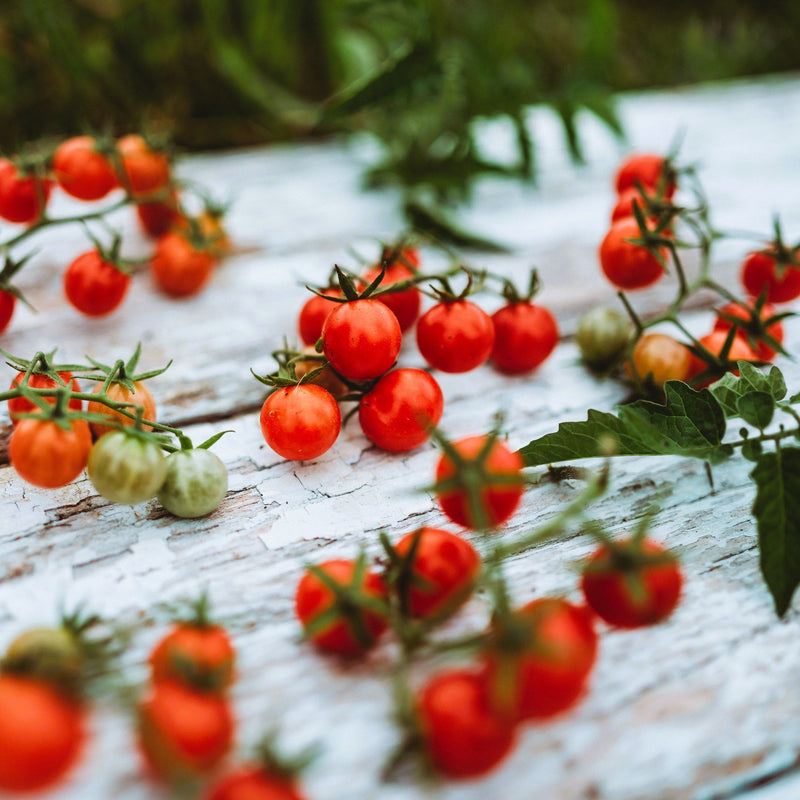
The Everglades tomato is an heirloom currant-type tomato that produces bucket loads of small, half inch-wide fruit with pink skins and a rich tomato flavor. Sometimes known as Wild Florida Everglades or simply Wild Tomato, this variety lives up to its reputation. The large, disease-resistant plants seem to excel in extreme heat, shrug their shoulders at drouthy spells, and grow with such vigor that they quickly overtake their cages like kudzu on an outhouse. Don't let that part discourage you, though, these guys earn their keep, producing thousands upon thousands of cherry tomatoes over a single season. The small, pink fruit boast an intense flavor that is surprisingly rich for a cherry type. When making salads, we like mixing them with our sweet cherry tomatoes to add complexity to the flavor profile. They're also great for garnishing savory dishes like pasta and various roasted meats.
If we had one gripe about the Everglades tomato, it would be that the fruit do not readily abscise from the vine, causing the skins to tear slightly when you pick them. Therefore, it is best to pick and eat them as needed, lest they lose their quality or attract flies. This isn't enough of a reason for us to stop growing them, though, as they more than make up for it with their productivity and flavor. The Everglades tomato is reportedly resistant to fusarium and verticillium wilt, and late blight, and tolerant of alkaline and salty soils. It matures approximately 80 days after transplant. Each packet contains a minimum of 25 seeds.
Special note on germination: Everglades tomatoes can be tricky to germinate. They require a moisture-retaining media high in organic content (compost or organic seed starting mix will do). Use of a heat mat is recommended; a dome is strongly suggested. The best results will be yielded by set-ups that mimic the Everglades climate—hot and humid. Exercise patience as the seeds may take up to three weeks to germinate.
Solanum pimpinellifolium
Expand this section for tips on germinating Everglades tomato seeds.
The Everglades tomato is an heirloom currant-type tomato that produces bucket loads of small, half inch-wide fruit with pink skins and a rich tomato flavor. Sometimes known as Wild Florida Everglades or simply Wild Tomato, this variety lives up to its reputation. The large, disease-resistant plants seem to excel in extreme heat, shrug their shoulders at dr... read more
Solanum pimpinellifolium
Expand this section for tips on germinating Everglades tomato seeds.
The Everglades tomato is an heirloom currant-type tomato that produces bucket loads of small, half inch-wide fruit with pink skins and a rich tomato flavor. Sometimes known as Wild Florida Everglades or simply Wild Tomato, this variety lives up to its reputation. The large, disease-resistant plants seem to excel in extreme heat, shrug their shoulders at drouthy spells, and grow with such vigor that they quickly overtake their cages like kudzu on an outhouse. Don't let that part discourage you, though, these guys earn their keep, producing thousands upon thousands of cherry tomatoes over a single season. The small, pink fruit boast an intense flavor that is surprisingly rich for a cherry type. When making salads, we like mixing them with our sweet cherry tomatoes to add complexity to the flavor profile. They're also great for garnishing savory dishes like pasta and various roasted meats.
If we had one gripe about the Everglades tomato, it would be that the fruit do not readily abscise from the vine, causing the skins to tear slightly when you pick them. Therefore, it is best to pick and eat them as needed, lest they lose their quality or attract flies. This isn't enough of a reason for us to stop growing them, though, as they more than make up for it with their productivity and flavor. The Everglades tomato is reportedly resistant to fusarium and verticillium wilt, and late blight, and tolerant of alkaline and salty soils. It matures approximately 80 days after transplant. Each packet contains a minimum of 25 seeds.
Special note on germination: Everglades tomatoes can be tricky to germinate. They require a moisture-retaining media high in organic content (compost or organic seed starting mix will do). Use of a heat mat is recommended; a dome is strongly suggested. The best results will be yielded by set-ups that mimic the Everglades climate—hot and humid. Exercise patience as the seeds may take up to three weeks to germinate.