We ship to the United States, its territories and outlying islands. Returns are accepted within 30 days of receipt. Full warranty information can be found here.

Free Shipping on Orders $35+
✓ Plant with Confidence—Guaranteed Through 2027
Get it between -
We ship to the United States, its territories and outlying islands. Returns are accepted within 30 days of receipt. Full warranty information can be found here.
We guarantee our seed to be fresh, vigorous, untreated, and true to variety.
Each packet is guaranteed through the year printed on the packet, plus one full additional growing year.
If your seeds fail to germinate, arrive damaged, or do not grow true to type, please contact us and we will make it right through replacement seed, store credit, or refund when appropriate.
Full warranty policy here.
Open-pollinated varieties, perfect for seed saving.
Safe seeds, free of neonics and other treatments.
It's simple. If you have a problem, we make it right.
Lactuca sativa
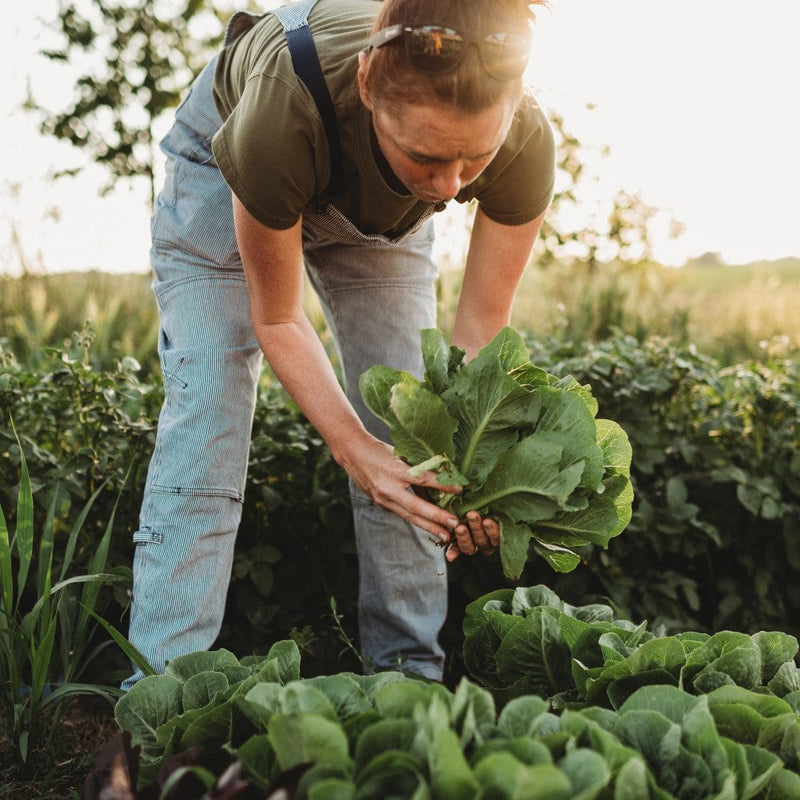
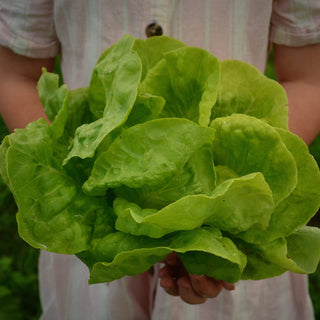
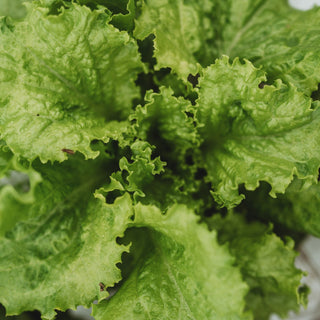
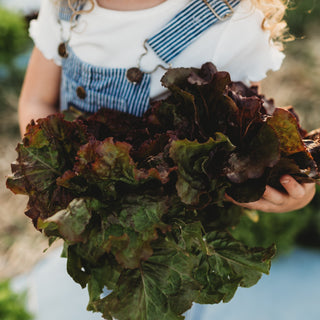
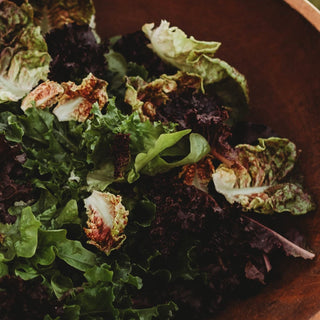
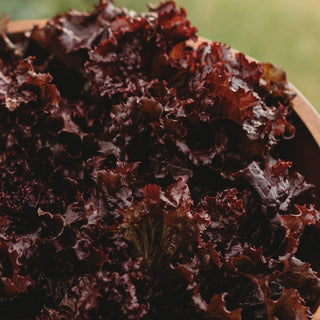
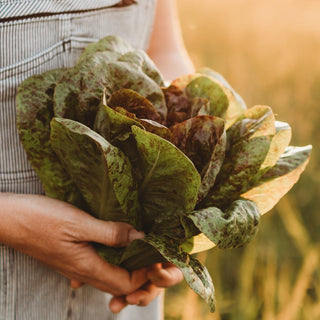
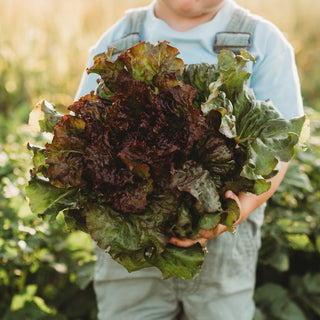
A standout in our 2022 lettuce trials, Baby Oak Leaf Lettuce is a compact, quick-growing variety of the classic green oak leaf lettuce. Its tightly formed rosettes of deeply lobed, bright green leaves resemble the shape of oak tree foliage—tender, flavorful, and perfect for salads.
This baby lettuce variety is ideal for cut-and-come-again harvesting, bouncing back quickly after each picking. It resists bolting better than many standard types, making it a dependable choice for both spring and fall gardens. Its compact habit makes it especially well-suited for raised beds, container gardening, and small-space plots.
Fast to mature and slow to bolt, Baby Oak Leaf delivers crisp, mild leaves wi... More
Lactuca sativa
A standout in our 2022 lettuce trials, Baby Oak Leaf Lettuce is a compact, quick-growing variety of the classic green oak leaf lettuce. Its tightly formed rosettes of deeply lobed, bright green leaves resemble the shape of oak tree foliage—tender, flavorful, and perfect for salads.
This baby lettuce variety is ideal for cut-and-come-again harvesting, bouncing back quickly after each picking. It resists bolting better than many standard types, making it a dependable choice for both spring and fall gardens. Its compact habit makes it especially well-suited for raised beds, container gardening, and small-space plots.
Fast to mature and slow to bolt, Baby Oak Leaf delivers crisp, mild leaves with a beautiful texture—and it's just as tasty as it is attractive. Approximately 50 days to harvest. Each packet contains a minimum of 250 seeds.
Lactuca sativa
A standout in our 2022 lettuce trials, Baby Oak Leaf Lettuce is a compact, quick-growing variety of the classic green oak leaf lettuce. Its tightly formed rosettes of deeply lobed, bright green leaves resemble the shape of oak tree foliage—tender, flavorful, and perfect for salads.
This baby lettuce variety is ideal for cut-and-come-again harvesting, bouncing back quickly after each picking. It resists bolting better than many standard types, making it... read more
Lactuca sativa
A standout in our 2022 lettuce trials, Baby Oak Leaf Lettuce is a compact, quick-growing variety of the classic green oak leaf lettuce. Its tightly formed rosettes of deeply lobed, bright green leaves resemble the shape of oak tree foliage—tender, flavorful, and perfect for salads.
This baby lettuce variety is ideal for cut-and-come-again harvesting, bouncing back quickly after each picking. It resists bolting better than many standard types, making it a dependable choice for both spring and fall gardens. Its compact habit makes it especially well-suited for raised beds, container gardening, and small-space plots.
Fast to mature and slow to bolt, Baby Oak Leaf delivers crisp, mild leaves with a beautiful texture—and it's just as tasty as it is attractive. Approximately 50 days to harvest. Each packet contains a minimum of 250 seeds.
Whether you grow organically or conventionally, there’s power in knowing exactly what’s on your food—and what isn’t. That’s why we love gardening: it puts you in control, letting you choose what matters most—health, flavor, sustainability, or simply the joy of growing it yourself.
Lettuce requires well-drained, nutrient-rich soil with a pH between 6.0 and 7.0. The soil should be loose and friable, with plenty of organic matter. Lettuce prefers cool temperatures and can tolerate partial shade, but it needs at least six hours of sunlight per day to grow and mature properly. In hot climates, lettuce may benefit from afternoon shade or planted in a location with filtered sunlight. Proper watering is also essential for lettuce, as it prefers consistently moist soil without standing water or excessive moisture.
After danger of frost has passed, sow seeds 4-6" apart, 1/8" deep in rows 18-24" apart. Under ideal conditions, germination will occur in 7-14 days. Can also be started indoors about four weeks before the last frost.
Harden off seedlings for at least three days before transplanting. Set transplants outdoors just before the last frost, spacing plants 6" in all directions. Water regularly until seedlings are well-established.
Insect Pests
Although pests are not usually a problem for lettuce, slugs can sometimes damage leaves. Slugs can be controlled by handpicking or by sprinkling diatomaceous earth around the base of plants.
Diseases & Other Problems
Lettuce is usually not affected by disease, however the plants are heat-sensitive and may bolt prematurely during heat spells. Additionally, certain varieties do not germinate well in hot soil. Be sure to select the right variety for the planting season and always keep soil moist during germination.
To harvest lettuce, wait until the leaves have reached their desired size and use a sharp knife or scissors to cut the leaves at the base of the plant. For loose-leaf varieties, harvest outer leaves regularly to promote new growth. To store lettuce, rinse the leaves in cool water and dry them thoroughly with a salad spinner or by patting them gently with a towel. Then, wrap the leaves in a dry paper towel and store them in a plastic bag or container in the refrigerator for up to a week. It's important to avoid crushing or bruising the leaves during storage, as this can cause them to spoil more quickly.
CONSIDERATIONS:
Lettuce is an inbreeding plant and therefore does not require isolation, however the flowers can be visited by insects and therefore crossing is possible. Most commercial growers separate by at least 25' and report fewer than 5% outcrossing between lettuce varieties. The USDA recommends at least 12'. To ensure varietal purity when space is limited, avoid planting similar varieties in close proximity, which would make it difficult to identify outcrosses among the progeny.
HARVESTING SEED:
Lettuce seeds ripen irregularly and are ready to harvest beginning two weeks after flowering. To harvest, shake heads into a paper bag daily until a sufficient amount of seed is collected (note that at least half of the volume will be chaff). As the seeds and chaff are similar in weight, winnowing can be challenging. Instead, it is best strain the seeds through a screen to remove some of the chaff. Some debris will remain, but this is usually not a concern for home gardeners.
SEED LONGETIVITY:
Lettuce seeds ripen irregularly and are ready to harvest beginning two weeks after flowering. To harvest, shake heads into a paper bag daily until a sufficient amount of seed is collected (note that at least half of the volume will be chaff). As the seeds and chaff are similar in weight, winnowing can be challenging. Instead, it is best strain the seeds through a screen to remove some of the chaff. Some debris will remain, but this is usually not a concern for home gardeners.
Sign up to get the latest on sales, new releases, and more...