We ship to the United States, its territories and outlying islands. Returns are accepted within 30 days of receipt. Full warranty information can be found here.

Free Shipping on Orders $35+
✓ Plant with Confidence—Guaranteed Through 2027
Get it between -
We ship to the United States, its territories and outlying islands. Returns are accepted within 30 days of receipt. Full warranty information can be found here.
We guarantee our seed to be fresh, vigorous, untreated, and true to variety.
Each packet is guaranteed through the year printed on the packet, plus one full additional growing year.
If your seeds fail to germinate, arrive damaged, or do not grow true to type, please contact us and we will make it right through replacement seed, store credit, or refund when appropriate.
Full warranty policy here.
Open-pollinated varieties, perfect for seed saving.
Safe seeds, free of neonics and other treatments.
It's simple. If you have a problem, we make it right.
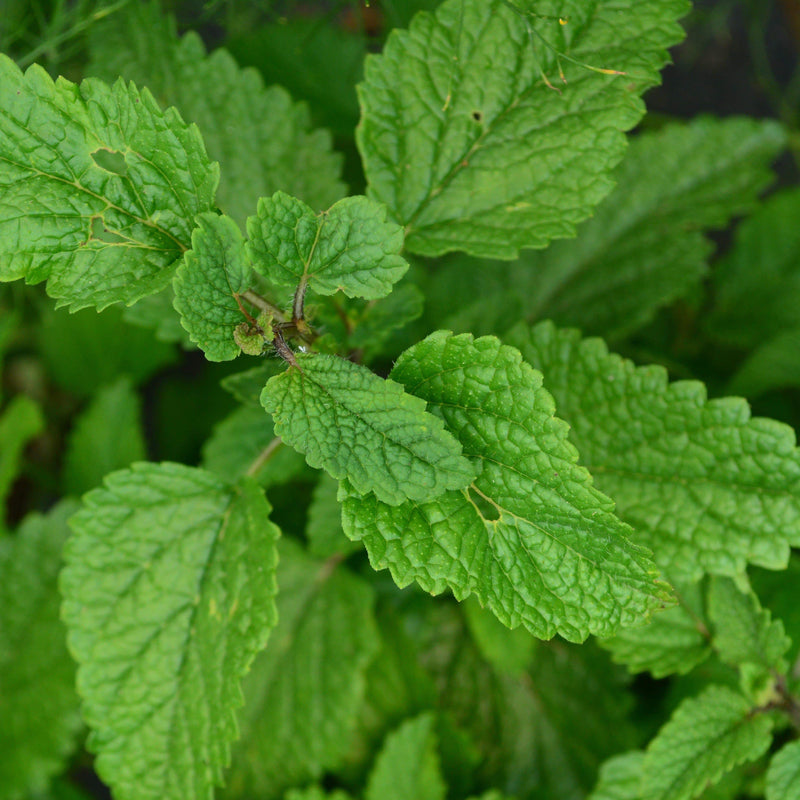
Melissa officinalis
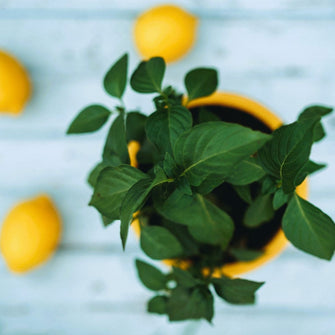
Traditionally used as a medicinal herb, lemon balm is said to have calming, sedative properties and its lemon-scented leaves are particularly popular for making a delicious, nighttime tea. We like to freeze the leaves at their peak freshness and store for later use. When we're ready to use them in tea, we just pull them out of the freezer and steep in a cup of hot water. The freezing process seems to release more flavor than you get from dried leaves, plus it's so easy. Plants grow 20 to 30 inches tall and prefer full sun to partial shade. Perennial in zones 4-9. Each packet contains a minimum of 250 seeds.
Melissa officinalis
Traditionally used as a medicinal herb, lemon balm is said to have calming, sedative properties and its lemon-scented leaves are particularly popular for making a delicious, nighttime tea. We like to freeze the leaves at their peak freshness and store for later use. When we're ready to use them in tea, we just pull them out of the freezer and steep in a cup of hot water. The freezing process seems to release more flavor than you get from dried leaves,... read more
Melissa officinalis
Traditionally used as a medicinal herb, lemon balm is said to have calming, sedative properties and its lemon-scented leaves are particularly popular for making a delicious, nighttime tea. We like to freeze the leaves at their peak freshness and store for later use. When we're ready to use them in tea, we just pull them out of the freezer and steep in a cup of hot water. The freezing process seems to release more flavor than you get from dried leaves, plus it's so easy. Plants grow 20 to 30 inches tall and prefer full sun to partial shade. Perennial in zones 4-9. Each packet contains a minimum of 250 seeds.
Whether you grow organically or conventionally, there’s power in knowing exactly what’s on your food—and what isn’t. That’s why we love gardening: it puts you in control, letting you choose what matters most—health, flavor, sustainability, or simply the joy of growing it yourself.
Lemon balm prefers well-draining, moist soil with a pH between 6.0 and 7.5. It can tolerate a range of soil types and partial shade but prefers full sun to partial shade. Before planting, amend the soil with compost and well-rotted manure. Best planted in the spring. Water regularly to keep the soil moist but not waterlogged. Lemon balm can also be grown in containers with well-draining soil and placed in a sunny location.
Sow seeds indoors 6-8 weeks before average last frost. Surface sow seeds and cover very lightly with fine potting mix. Keep moist until germination has occurred (7-14 days). Can also be direct-sown outdoors two weeks after last frost.
Transplant outdoors after danger of frost has passed, spacing plants 12" apart. Water regularly until plants are well-established.
Insect Pests
Diseases & Other Problems
To harvest lemon balm, wait until the plant is at least 6 inches tall, then snip off the leaves with a sharp pair of scissors or pruning shears. Leave at least an inch of growth at the base to encourage new growth. To store lemon balm, wrap the leaves in damp paper towels and place them in a plastic bag in the refrigerator for up to a week. Frozen leaves also make a delicious and fragrant tea. To freeze the leaves, rinse, pat dry and lay flat on a cookie sheet in the freezer. Once frozen, leaves can be placed in a freezer bag and stored in the freezer for later use. Lemon balm can also be dried by hanging the stems upside down in a dry, well-ventilated area until they are brittle, then removing the leaves and storing in an airtight container away from direct light and heat.
CONSIDERATIONS:
Lemon balm flowers contain both male and female organs and thus are self-fertile, however very little domestication has been performed so outcrossing is usually not a concern. To ensure absolute purity of a lemon balm seed crop, isolate the plants using a physical barrier such as netting. Note that seed yield may be reduced unless pollinators are introduced into the cage.
HARVESTING SEED:
To harvest lemon balm seeds, wait until the plant has finished flowering and the seed heads have formed. The seed heads will be small and green at first, but they will turn brown as they mature. When a significant portion of the seed heads are fully brown and dry, remove entire racemes from the plant and place them in a paper bag. Crush the seed heads gently to release the seeds from the pods. Remove any chaff or debris from the seeds and store them in a cool, dry place in an airtight container until you are ready to use them or plant them.
SEED LONGETIVITY:
Lemon balm seeds can remain viable for up to three years if they are stored properly. To ensure maximum viability, store the seeds in a cool, dry place in an airtight container.
Did well in my garden.
Sign up to get the latest on sales, new releases, and more...