We ship to the United States, its territories and outlying islands. Returns are accepted within 30 days of receipt. Full warranty information can be found here.

Free Shipping on Orders $35+
✓ Plant with Confidence—Guaranteed Through 2027
Get it between -
We ship to the United States, its territories and outlying islands. Returns are accepted within 30 days of receipt. Full warranty information can be found here.
We guarantee our seed to be fresh, vigorous, untreated, and true to variety.
Each packet is guaranteed through the year printed on the packet, plus one full additional growing year.
If your seeds fail to germinate, arrive damaged, or do not grow true to type, please contact us and we will make it right through replacement seed, store credit, or refund when appropriate.
Full warranty policy here.
Open-pollinated varieties, perfect for seed saving.
Safe seeds, free of neonics and other treatments.
It's simple. If you have a problem, we make it right.
Allium cepa (Proliferum)
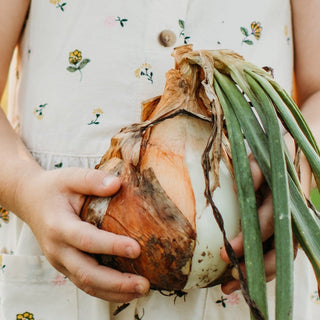
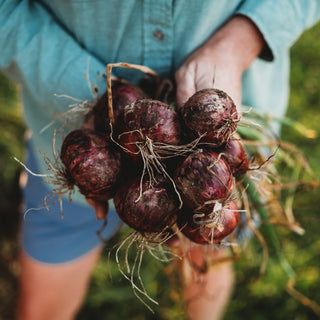
The Egyptian (aka walking, top-setter, tree) onion derives its name from the unique manner in which the plant multiplies. In contrast to common onions, which produce flowers on top of the seed stalk, the Egyptian onion produces a cluster of small, red bulbils. As the plants dry down, the stalk droops to the ground, allowing the bulbils take root. This super-hardy perennial requires very little maintenance and once established, will supply the gardener with fresh onions year after year. In Iowa, the first greens usually emerge in late February, a much-welcomed sight for winter-weary gardeners. Each packet contains a minimum of 30 bulbils. Ships in Fall.
Allium cepa (Proliferum)
The Egyptian (aka walking, top-setter, tree) onion derives its name from the unique manner in which the plant multiplies. In contrast to common onions, which produce flowers on top of the seed stalk, the Egyptian onion produces a cluster of small, red bulbils. As the plants dry down, the stalk droops to the ground, allowing the bulbils take root. This super-hardy perennial requires very little maintenance and once established, will supply the gar... read more
Allium cepa (Proliferum)
The Egyptian (aka walking, top-setter, tree) onion derives its name from the unique manner in which the plant multiplies. In contrast to common onions, which produce flowers on top of the seed stalk, the Egyptian onion produces a cluster of small, red bulbils. As the plants dry down, the stalk droops to the ground, allowing the bulbils take root. This super-hardy perennial requires very little maintenance and once established, will supply the gardener with fresh onions year after year. In Iowa, the first greens usually emerge in late February, a much-welcomed sight for winter-weary gardeners. Each packet contains a minimum of 30 bulbils. Ships in Fall.
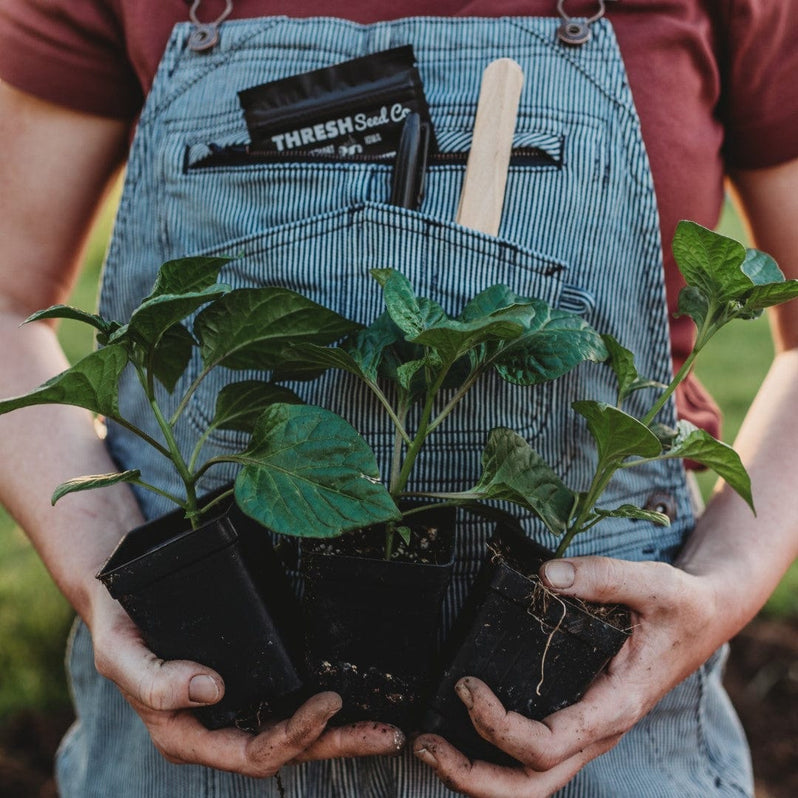
Sweat on your brow, hands in the dirt, and a smile on your face. You aren't afraid of a little hard work, and we're here to ensure that your efforts are rewarded. You can rest assured that our top-quality seeds from dependable, time-tested varieties will have you reaping more than just satisfaction from your hard day's work.
Egyptian onions require well-draining, nutrient-rich soil with a pH of 6.0-7.5. They prefer full sun but can also tolerate partial shade. They should be planted in the fall or early spring and require consistent moisture to produce high yields. Egyptian onions are hardy and can tolerate colder temperatures, making them a great addition to any garden.
Best planted in fall. Plant bulbils 6" apart, 1" deep in rows 12-18" apart. Keep bed free from weeds until plants are established.
Not recommended
Insect Pests
Although not a problem for most gardeners, onion maggots are the predominant threat to onions and can cause stunted growth and even death of young plants. To prevent and control these pests, it's recommended to rotate crops, remove any infested plant debris, and use insecticidal sprays or dusts as needed. Sticky traps placed near the base of plants can also be used to monitor and trap the adults.
Diseases & Other Problems
Egyptian onions are typically not affected by pests.
Egyptian onion stems can be harvested at any time and used similar to green onions. The bulbils can be harvested in late summer and have a strong, slightly spicy flavor. They can be stored in a mesh bag in a dark, well-ventilated place for several months.
CONSIDERATIONS:
Egyptian onions multiply clonally through the spreading of bulbils, and therefore varieties do not need to be isolated to maintain purity.
HARVESTING SEED:
Harvest mature bulbils in late summer or fall. Bulbils can be stored in a mesh bag until ready to replant.
SEED LONGETIVITY:
Bulbils will remain viable for several months when stored in a cool, dark place.
Planted as soon as received. Near as I can tell 100% germination. Amazing flavor, looking forward to seeing the bulbs start to form on top. Great plant, would happily order again.
Great
My mother used to call these onions, winter onions when I was young.
I planted these about two weeks ago and about 80% of the bulbs are about an inch tall. They look great so far, we’ll see next year for sure. We live north of the 46th parallel.
I received these bulbils to plant and they were very high quality. I'll review again next spring when they emerge after winter and we can see how they do.
Sign up to get the latest on sales, new releases, and more...