We ship to the United States, its territories and outlying islands. Returns are accepted within 30 days of receipt. Full warranty information can be found here.

Free Shipping on Orders $35+
✓ Plant with Confidence—Guaranteed Through 2027
Get it between -
We ship to the United States, its territories and outlying islands. Returns are accepted within 30 days of receipt. Full warranty information can be found here.
We guarantee our seed to be fresh, vigorous, untreated, and true to variety.
Each packet is guaranteed through the year printed on the packet, plus one full additional growing year.
If your seeds fail to germinate, arrive damaged, or do not grow true to type, please contact us and we will make it right through replacement seed, store credit, or refund when appropriate.
Full warranty policy here.
Open-pollinated varieties, perfect for seed saving.
Safe seeds, free of neonics and other treatments.
It's simple. If you have a problem, we make it right.
Abelmoschus esculentus
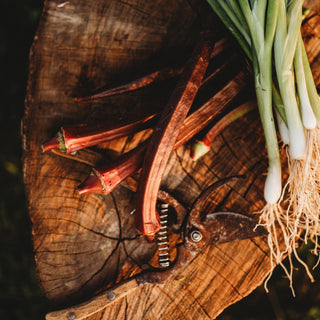
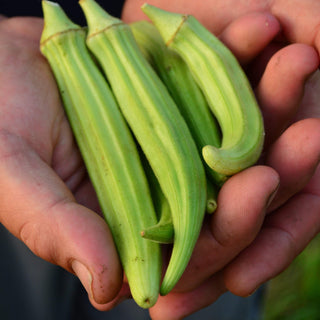
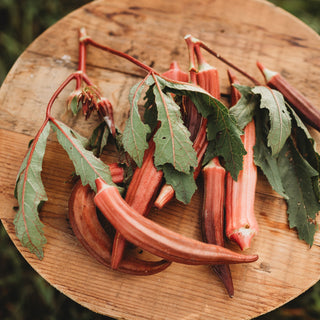
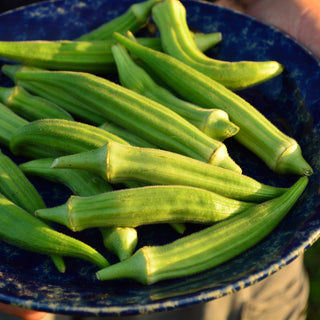
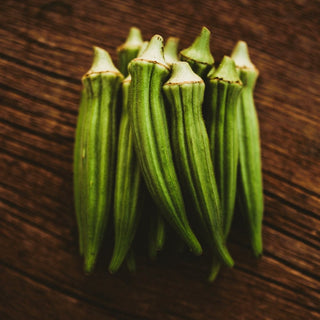
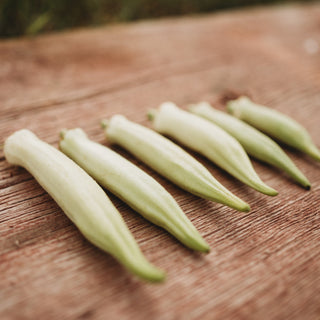
Cicek is an heirloom variety of okra that produces tender pods on stout, highly branched plants. Originating from Kayseri, Turkey where it was collected by the USDA in 1949, Cicek is a Turkish favorite that is typically harvested just after flowering, while the pods are still quite small. In fact, the name "Cicek" translates to "flower" in reference to how the variety is typically used. Here in the US, we would probably call it baby okra. Whatever you want to call it, Cicek is an excellent okra variety with very good yields, owing to the branching nature of the plant. (Frequent harvesting will encourage this habit.) We've had many Turkish gardeners request this variety over the years and we ... More
Abelmoschus esculentus
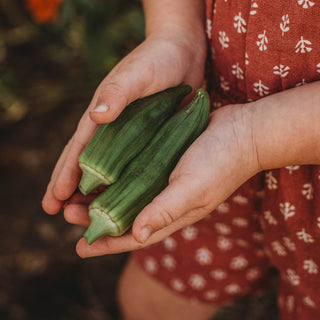
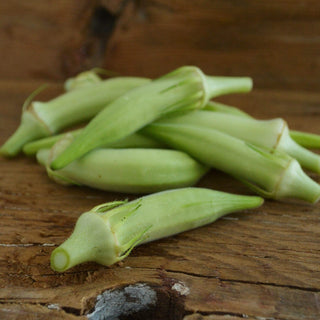
Cicek is an heirloom variety of okra that produces tender pods on stout, highly branched plants. Originating from Kayseri, Turkey where it was collected by the USDA in 1949, Cicek is a Turkish favorite that is typically harvested just after flowering, while the pods are still quite small. In fact, the name "Cicek" translates to "flower" in reference to how the variety is typically used. Here in the US, we would probably call it baby okra. Whatever you want to call it, Cicek is an excellent okra variety with very good yields, owing to the branching nature of the plant. (Frequent harvesting will encourage this habit.) We've had many Turkish gardeners request this variety over the years and we are pleased to finally have it available.
Our stock was generously provided by the USDA Plant Genetic Resources Conservation Unit in Griffin, Georgia. PI 175565. Harvests begin approximately 65 days after sowing. Each packet contains a minimum of 50 seeds.
Abelmoschus esculentus
Cicek is an heirloom variety of okra that produces tender pods on stout, highly branched plants. Originating from Kayseri, Turkey where it was collected by the USDA in 1949, Cicek is a Turkish favorite that is typically harvested just after flowering, while the pods are still quite small. In fact, the name "Cicek" translates to "flower" in reference to how the variety is typically used. Here in the US, we would probably call it baby okra. Whatever ... read more
Abelmoschus esculentus
Cicek is an heirloom variety of okra that produces tender pods on stout, highly branched plants. Originating from Kayseri, Turkey where it was collected by the USDA in 1949, Cicek is a Turkish favorite that is typically harvested just after flowering, while the pods are still quite small. In fact, the name "Cicek" translates to "flower" in reference to how the variety is typically used. Here in the US, we would probably call it baby okra. Whatever you want to call it, Cicek is an excellent okra variety with very good yields, owing to the branching nature of the plant. (Frequent harvesting will encourage this habit.) We've had many Turkish gardeners request this variety over the years and we are pleased to finally have it available.
Our stock was generously provided by the USDA Plant Genetic Resources Conservation Unit in Griffin, Georgia. PI 175565. Harvests begin approximately 65 days after sowing. Each packet contains a minimum of 50 seeds.
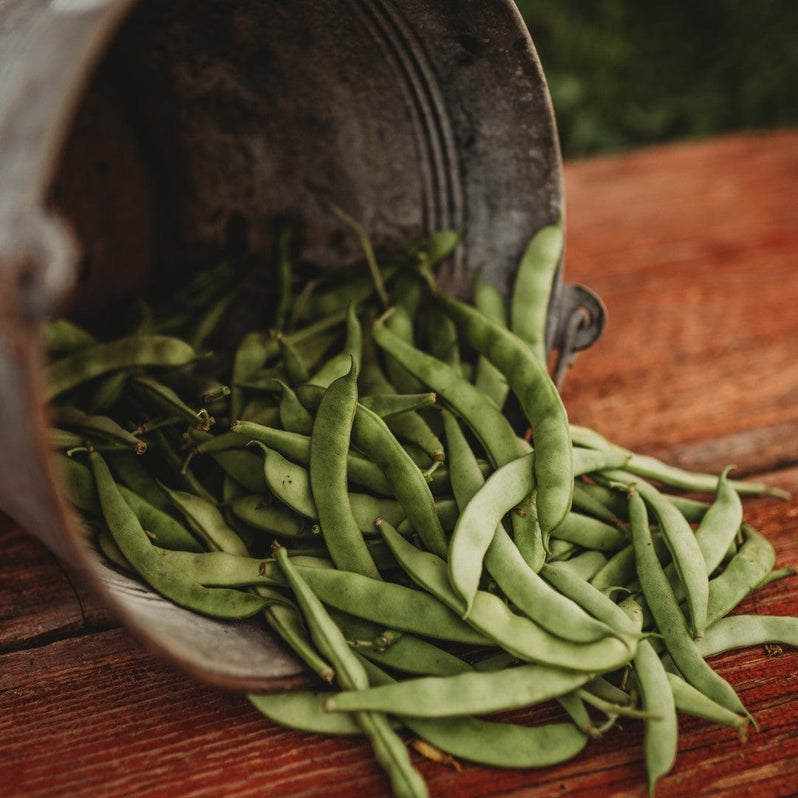
New varieties come and go, but an heirloom is one that has stood the test of time. Families have stewarded these seeds for generations because they valued their dependability and flavor as much as they did their history—and we can think of no better recommendation than that.
Okra requires well-drained soil with a pH range of 6.0 to 8.0. It prefers full sun exposure and requires at least 6-8 hours of direct sunlight per day. The plant is heat-loving and grows best in areas with warm temperatures. The soil should be kept moist but not waterlogged, and regular fertilization can help promote healthy growth. The plant is also drought-tolerant and can withstand periods of low rainfall.
After danger of frost has passed and soil temps have reached approx. 70 degrees, sow seeds ½” deep, 2” apart in rows 3’ apart. Once germination has occurred, thin to one plant every 12-18”. Alternatively, plants may be started indoors 5 weeks before the last frost.
To transplant okra, start by selecting a well-draining and fertile planting site with full sun exposure. When the seedlings reach 4-6 inches in height, transplant them into the garden, spacing them 12-18 inches apart and 1-2 inches deep. Water thoroughly after planting to help the roots establish.
Insect Pests
Although not commonly a problem, okra can be affected by a variety of insect pests, including aphids, whiteflies, stink bugs, and bollworms. Regular monitoring and control measures such as insecticidal soap, neem oil, or row covers can help prevent and manage infestations.
Diseases & Other Problems
Okra can be affected by a range of diseases, including powdery mildew, bacterial blight, and root rot. These diseases can cause leaf spotting, yellowing, and stem and root decay. Proper cultural practices, such as providing good air circulation and maintaining proper soil moisture levels, can help prevent and manage these issues.
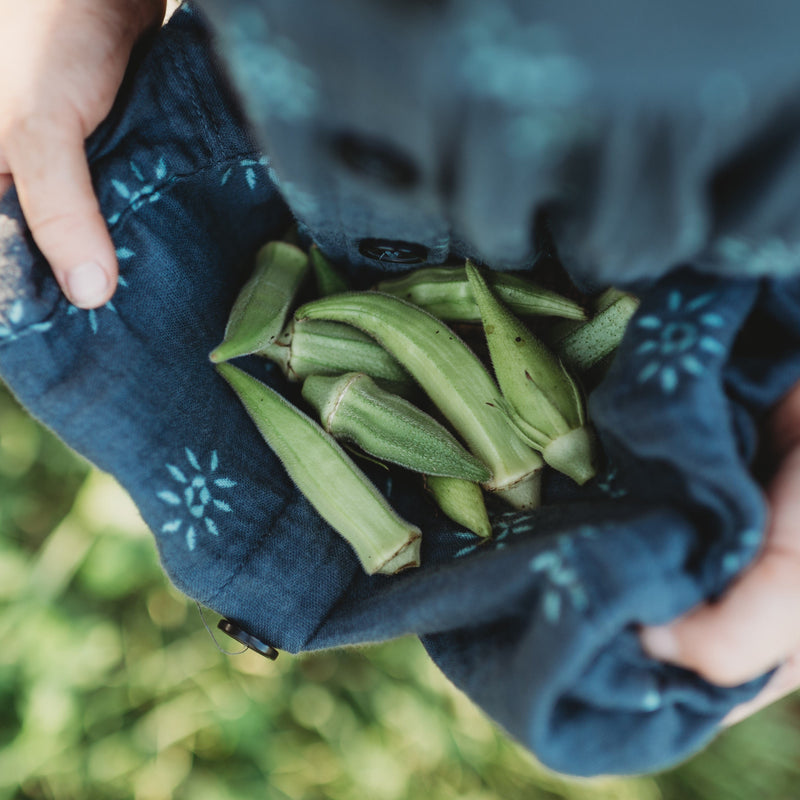
While each variety of okra differs in its ideal harvest size, all varieties of okra will eventually get tough if let on the plant long enough. To check to see if a pod is still tender enough to be harvested, try snapping the tip off the blossom end of the pod. If it comes off easily, the pod is still good. Since okra matures from the stem base out, it can be assumed that any pods located above your test pod will be tender. Harvesting should be done every 1-2 days to encourage continued production. Okra should be stored in the refrigerator in a plastic bag or container for up to 5 days. Alternatively, it can be blanched for 3 minutes, cooled, and then frozen for long-term storage.
CONSIDERATIONS:
Okra is a self-pollinating plant with flowers containing both male and female organs, however the large, open flowers produce copious amounts of pollen and are very attractive to bees so outcrossing is likely if two or more varieties are flowering in close proximity. To ensure varietal purity, isolate by one mile or cage whole plants or flowers to prevent visits by pollinators.
HARVESTING SEED:
To harvest seeds, allow the pods to dry completely. Most okra pods will begin to split when the seed inside is fully mature, however they don't shatter easily. Watch for the pods to begin to separate along the ribs. Cut pods from the plant with pruning shears. Using gloved hands, squeeze the pods to open the furrows encasing the round, blackish-green seeds. Winnow to remove any debris and store in an airtight container.
SEED LONGETIVITY:
Okra seed will remain viable for five years when stored under ideal conditions.
Sign up to get the latest on sales, new releases, and more...