We ship to the United States, its territories and outlying islands. Returns are accepted within 30 days of receipt. Full warranty information can be found here.






✓ Plant with Confidence—Guaranteed Through 2027
 Get it between -
Open-pollinated varieties, perfect for seed saving.
Safe seeds, free of neonics and other treatments.
It's simple. If you have a problem, we make it right.

Basella rubra
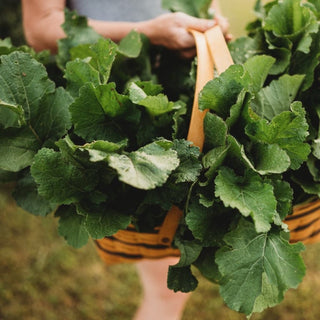
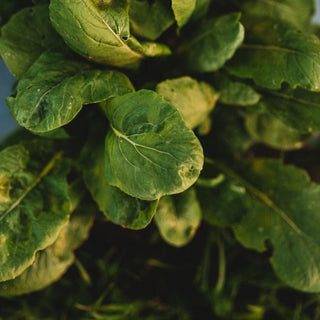
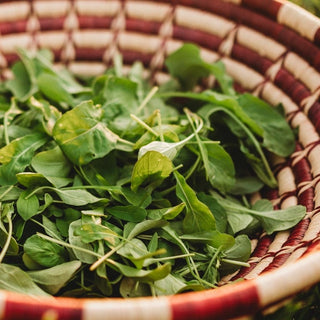
Big Round Leaf Malabar Spinach is a heat-loving heirloom green prized for its exceptionally large, dark green leaves. Thick, slightly wrinkled, and remarkably spinach-like in appearance, the tender leaves are excellent for salads, stir-fries, soups, and other cooked dishes.
Unlike many Malabar spinach varieties that quickly begin climbing, Big Round Leaf spends much of the growing season in a compact, bushy state, producing generous harvests of large leaves before eventually developing long, vigorous vines. This extended bush phase makes harvesting easy and provides a steady supply of tender greens throughout the summer months.
An outstanding choice for gardeners in hot climates, Malabar spi... More
Basella rubra
Big Round Leaf Malabar Spinach is a heat-loving heirloom green prized for its exceptionally large, dark green leaves. Thick, slightly wrinkled, and remarkably spinach-like in appearance, the tender leaves are excellent for salads, stir-fries, soups, and other cooked dishes.
Unlike many Malabar spinach varieties that quickly begin climbing, Big Round Leaf spends much of the growing season in a compact, bushy state, producing generous harvests of large leaves before eventually developing long, vigorous vines. This extended bush phase makes harvesting easy and provides a steady supply of tender greens throughout the summer months.
An outstanding choice for gardeners in hot climates, Malabar spinach thrives during the heat of summer when traditional spinach has long since bolted. Easy to grow, productive, and attractive, it is one of the best leafy greens for extending the harvest through the hottest part of the growing season. Each packet contains a minimum of 25 seeds.
Basella rubra
Big Round Leaf Malabar Spinach is a heat-loving heirloom green prized for its exceptionally large, dark green leaves. Thick, slightly wrinkled, and remarkably spinach-like in appearance, the tender leaves are excellent for salads, stir-fries, soups, and other cooked dishes.
Unlike many Malabar spinach varieties that quickly begin climbing, Big Round Leaf spends much of the growing season in a compact, bushy state, producing generous harvests of large le... read more
Basella rubra
Big Round Leaf Malabar Spinach is a heat-loving heirloom green prized for its exceptionally large, dark green leaves. Thick, slightly wrinkled, and remarkably spinach-like in appearance, the tender leaves are excellent for salads, stir-fries, soups, and other cooked dishes.
Unlike many Malabar spinach varieties that quickly begin climbing, Big Round Leaf spends much of the growing season in a compact, bushy state, producing generous harvests of large leaves before eventually developing long, vigorous vines. This extended bush phase makes harvesting easy and provides a steady supply of tender greens throughout the summer months.
An outstanding choice for gardeners in hot climates, Malabar spinach thrives during the heat of summer when traditional spinach has long since bolted. Easy to grow, productive, and attractive, it is one of the best leafy greens for extending the harvest through the hottest part of the growing season. Each packet contains a minimum of 25 seeds.