We ship to the United States, its territories and outlying islands. Returns are accepted within 30 days of receipt. Full warranty information can be found here.

Free Shipping on Orders $35+
✓ Plant with Confidence—Guaranteed Through 2027
Get it between -
We ship to the United States, its territories and outlying islands. Returns are accepted within 30 days of receipt. Full warranty information can be found here.
We guarantee our seed to be fresh, vigorous, untreated, and true to variety.
Each packet is guaranteed through the year printed on the packet, plus one full additional growing year.
If your seeds fail to germinate, arrive damaged, or do not grow true to type, please contact us and we will make it right through replacement seed, store credit, or refund when appropriate.
View our full warranty policy here.
Open-pollinated varieties, perfect for seed saving.
Safe seeds, free of neonics and other treatments.
It's simple. If you have a problem, we make it right.
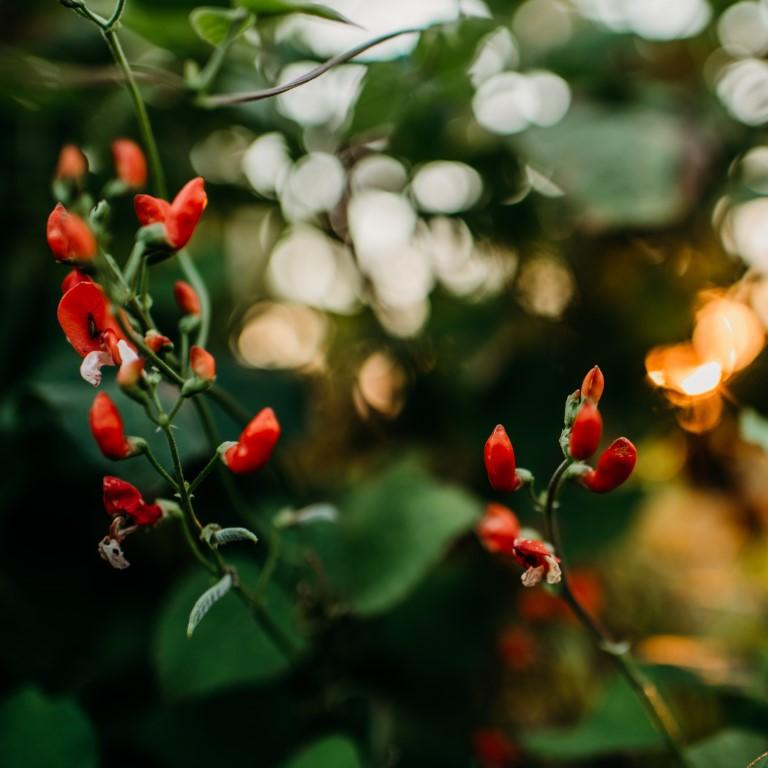
Phaseolus coccineus
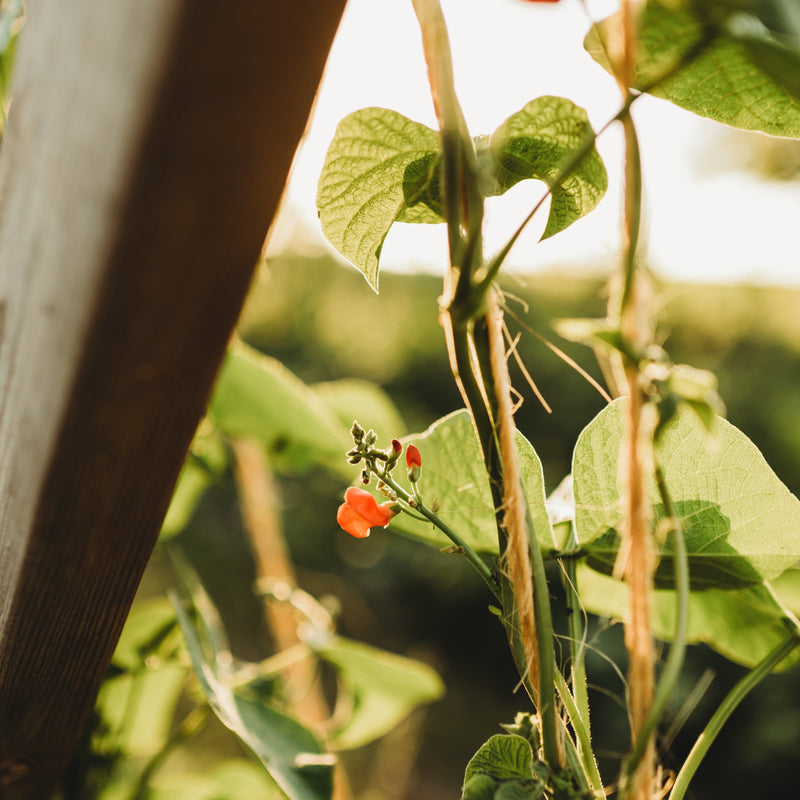
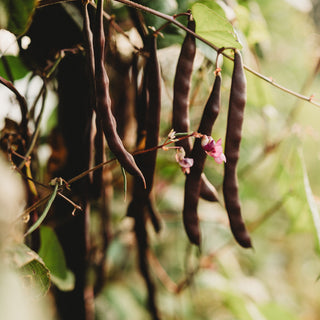
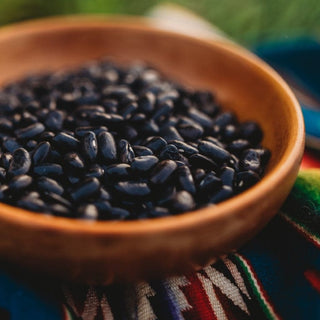
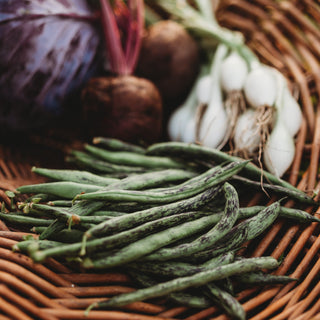
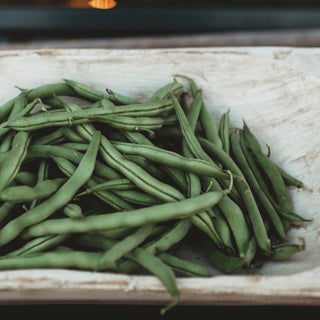
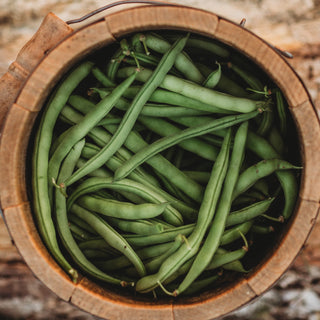
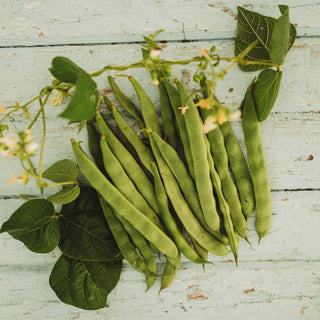
Painted Lady is a stunning, bi-colored runner bean dating back to the 1800's. Climbing plants produce profusions of pink and white flowers followed by large, flat, green pods. A beautiful variety to grow as an ornamental, plus the beans can be used similarly to any common bean. Suitable for canning, freezing or as a dry bean. Approximately 65 to 85 days to harvest. Each packet contains a minimum of 25 seeds.
Phaseolus coccineus
Painted Lady is a stunning, bi-colored runner bean dating back to the 1800's. Climbing plants produce profusions of pink and white flowers followed by large, flat, green pods. A beautiful variety to grow as an ornamental, plus the beans can be used similarly to any common bean. Suitable for canning, freezing or as a dry bean. Approximately 65 to 85 days to harvest. Each packet contains a minimum of 25 seeds.
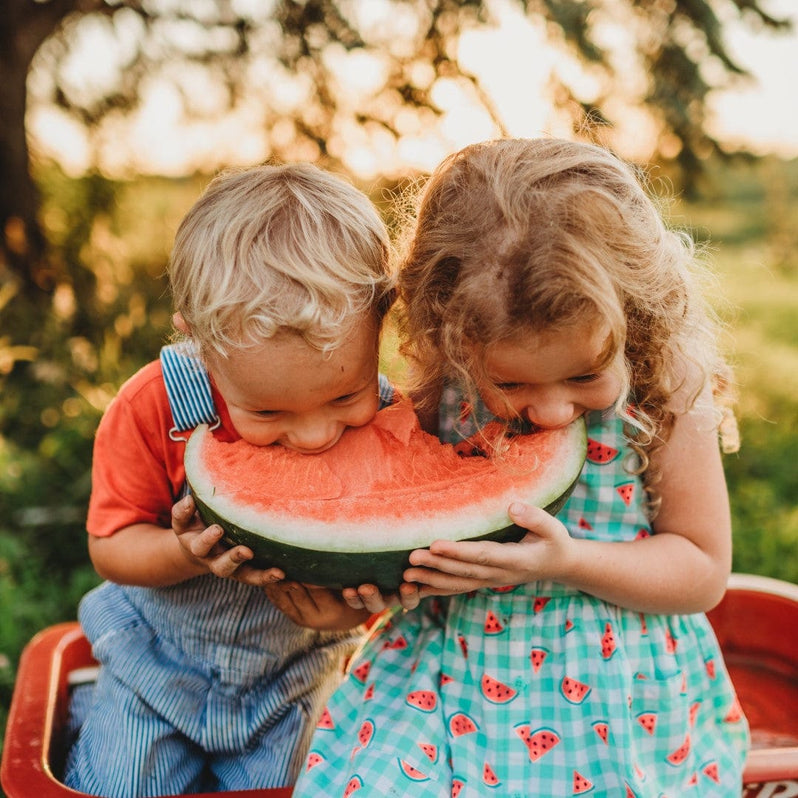
We’re holding firm to the time-honored traditions and downhome ways that have brought up generations all across these fruited plains. In fact, the varieties offered here are the same ones we place on our own dinner table—and in this way of life, that says something.
Runner beans require well-draining soil with a pH of 6.0-6.8 and full sun exposure to grow successfully. They prefer fertile soil with plenty of organic matter, such as compost or well-rotted manure. Sow runner beans after the last frost when the soil has warmed up to at least 50°F. The plants require consistent moisture but avoid overwatering, which can lead to root rot. Adding a layer of mulch around the plants can help maintain soil moisture and prevent weeds. Additionally, runner beans require support structures, such as trellises or poles, to climb and grow properly.
Sow seed outdoors after soil temperatures have warmed, placing seeds 4-6" apart, 1" deep in rows 36-48" apart. Under ideal conditions, germination should occur in 8-12 days.
Not recommended for runner beans.
Runner beans are susceptible to various diseases, including bean rust, anthracnose, bacterial blight, and powdery mildew. Crop rotation, providing adequate spacing, and avoiding overhead watering can help control these diseases. Poor pollination, leading to misshapen or no pods, can be avoided by hand-pollinating flowers or planting pollinator-attracting plants. Overfertilization can cause excessive vegetative growth, resulting in fewer flowers and pods.
CONSIDERATIONS:
Runner beans are self-pollinating and generally do not require isolation to prevent cross-pollination. However, if you want to save seeds from specific varieties or if other bean varieties are grown nearby, isolation may be necessary to maintain seed purity. Bees and other pollinators can cross-pollinate between different bean varieties, leading to hybridization and a loss of genetic purity. To prevent this, separate different bean varieties by at least 10-15 feet or use physical barriers, such as netting or row covers.
HARVESTING SEED:
To extract the seeds from runner beans, allow the pods to dry on the plant until they turn brown and start to dry out. Once the pods are dry, remove them from the plant and shell the beans from the pod. You can do this by hand, or by placing the pods in a cloth sack and stomping on them. Separate the seeds from the chaff by winnowing, which involves tossing the seeds and chaff into the air and letting the wind blow away the lighter chaff while the heavier seeds fall back into a container. Store the seeds in a cool, dry place in airtight containers until ready to use.
SEED LONGETIVITY:
Runner bean seeds can maintain their viability for up to 5 years or more, depending on how they are stored. To maximize seed viability, store the seeds in a cool, dry place in airtight containers. Avoid exposing the seeds to moisture or extreme temperatures, which can reduce their viability over time.
Sign up to get the latest on sales, new releases, and more...