We ship to the United States, its territories and outlying islands. Returns are accepted within 30 days of receipt. Full warranty information can be found here.






✓ Plant with Confidence—Guaranteed Through 2027
 Get it between -
Open-pollinated varieties, perfect for seed saving.
Safe seeds, free of neonics and other treatments.
It's simple. If you have a problem, we make it right.
Zea mays
Cherokee White Eagle is an heirloom variety of dent corn that produces 6- to 7-inch-long long ears packed with mottled blue and white kernels. Dating back to at least the early 19th century, Cherokee White Eagle was reportedly carried along the "Trail of Tears" in 1839. In its day, Cherokee women would grind the grain in a kanona, essentially a waist-high log with a hollowed-out bowl, using a wooden paddle to beat the grain into fine cornmeal. In recent years, Cherokee White Eagle corn has gained popularity among chefs and heirloom enthusiasts across the United States and was even planted in the White House Garden in 2011. The kernels are reported to have the perfect composition for grits and corn... More
Zea mays
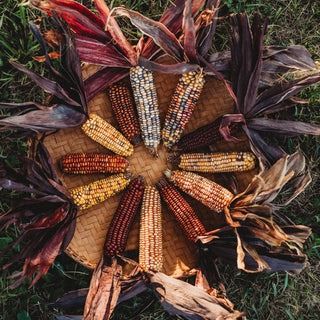
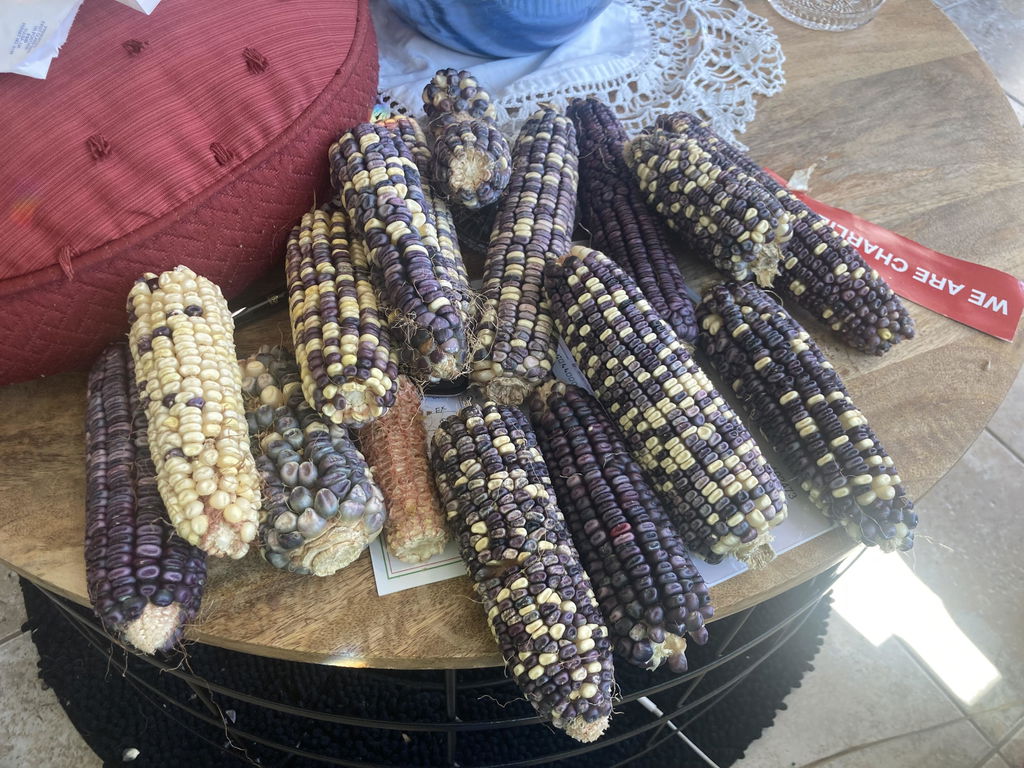
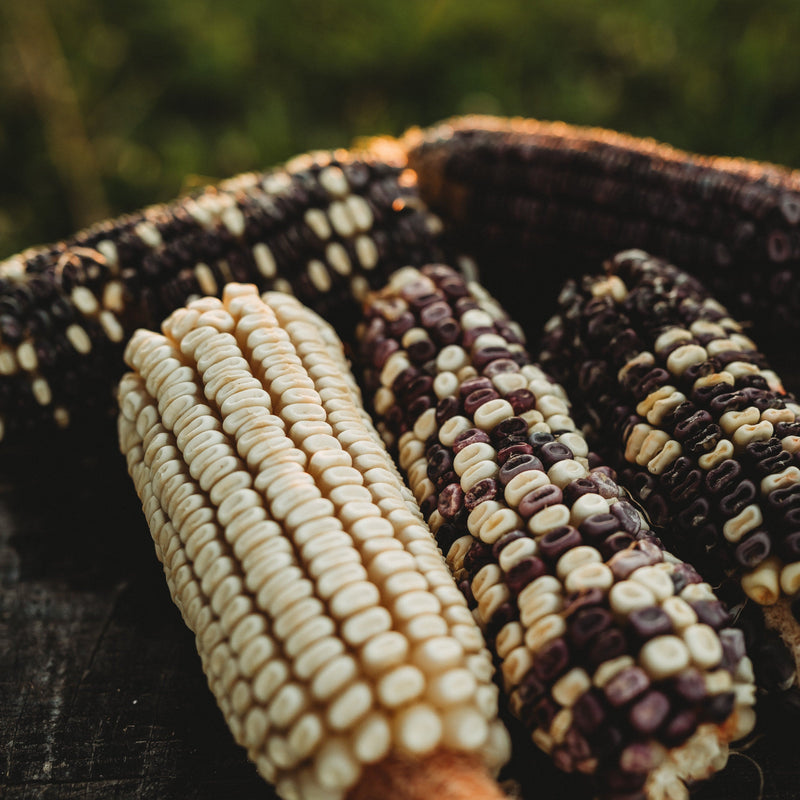
Cherokee White Eagle is an heirloom variety of dent corn that produces 6- to 7-inch-long long ears packed with mottled blue and white kernels. Dating back to at least the early 19th century, Cherokee White Eagle was reportedly carried along the "Trail of Tears" in 1839. In its day, Cherokee women would grind the grain in a kanona, essentially a waist-high log with a hollowed-out bowl, using a wooden paddle to beat the grain into fine cornmeal. In recent years, Cherokee White Eagle corn has gained popularity among chefs and heirloom enthusiasts across the United States and was even planted in the White House Garden in 2011. The kernels are reported to have the perfect composition for grits and cornmeal: a good amount of starch, speckled pigmentation, and just enough sweetness to balance out the tannic flavor usually imparted by colored corns. Plants grow eight to ten feet tall and often produce two ears per stalk. Matures approximately 110 days after sowing. Each packet contains a minimum of 50 seeds.
Zea mays
Cherokee White Eagle is an heirloom variety of dent corn that produces 6- to 7-inch-long long ears packed with mottled blue and white kernels. Dating back to at least the early 19th century, Cherokee White Eagle was reportedly carried along the "Trail of Tears" in 1839. In its day, Cherokee women would grind the grain in a kanona, essentially a waist-high log with a hollowed-out bowl, using a wooden paddle to beat the grain into fine cornmeal. In recent... read more
Zea mays
Cherokee White Eagle is an heirloom variety of dent corn that produces 6- to 7-inch-long long ears packed with mottled blue and white kernels. Dating back to at least the early 19th century, Cherokee White Eagle was reportedly carried along the "Trail of Tears" in 1839. In its day, Cherokee women would grind the grain in a kanona, essentially a waist-high log with a hollowed-out bowl, using a wooden paddle to beat the grain into fine cornmeal. In recent years, Cherokee White Eagle corn has gained popularity among chefs and heirloom enthusiasts across the United States and was even planted in the White House Garden in 2011. The kernels are reported to have the perfect composition for grits and cornmeal: a good amount of starch, speckled pigmentation, and just enough sweetness to balance out the tannic flavor usually imparted by colored corns. Plants grow eight to ten feet tall and often produce two ears per stalk. Matures approximately 110 days after sowing. Each packet contains a minimum of 50 seeds.