We ship to the United States, its territories and outlying islands. Returns are accepted within 30 days of receipt. Full warranty information can be found here.






✓ Plant with Confidence—Guaranteed Through 2027
 Get it between -
Open-pollinated varieties, perfect for seed saving.
Safe seeds, free of neonics and other treatments.
It's simple. If you have a problem, we make it right.

Phaseolus vulgaris
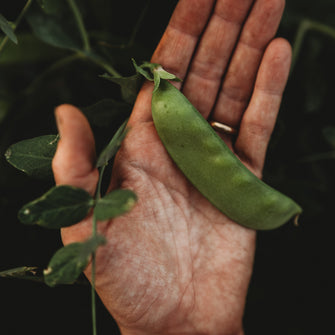
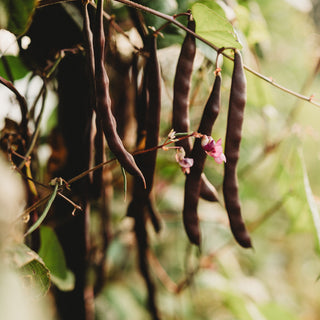
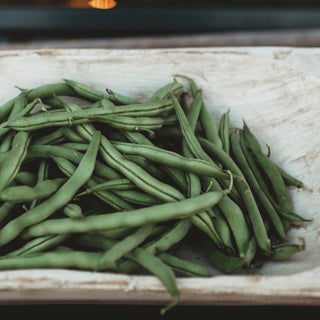
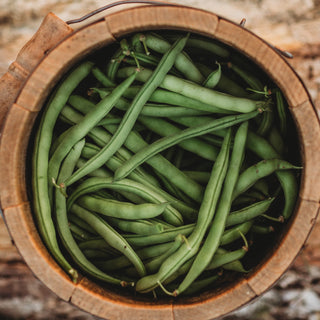
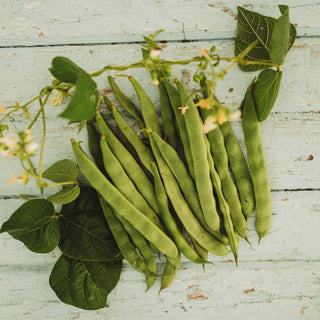
The State Half-Runner Bean is a popular heirloom half-runner that produces heavy yields of tender green beans with white seeds. True to its intended form, the State Half-Runner Bean is a stout bean with fat, round pods averaging 4 to 5 inches long and up to half an inch wide. The enclosed white seeds are relatively large for a half runner and are sometimes cut short, or squared off, due to the limited space available inside the pod.
While it has somewhat of an elusive past, the State Half Runner Bean is thought to have been selected from the original White Half Runner that was popular throughout West Virginia in the early 20th century. Following its introduction sometime around 1949, the ... More
Phaseolus vulgaris
The State Half-Runner Bean is a popular heirloom half-runner that produces heavy yields of tender green beans with white seeds. True to its intended form, the State Half-Runner Bean is a stout bean with fat, round pods averaging 4 to 5 inches long and up to half an inch wide. The enclosed white seeds are relatively large for a half runner and are sometimes cut short, or squared off, due to the limited space available inside the pod.
While it has somewhat of an elusive past, the State Half Runner Bean is thought to have been selected from the original White Half Runner that was popular throughout West Virginia in the early 20th century. Following its introduction sometime around 1949, the State Half Runner became popular throughout Appalachia, particularly in the mountains of North Carolina.
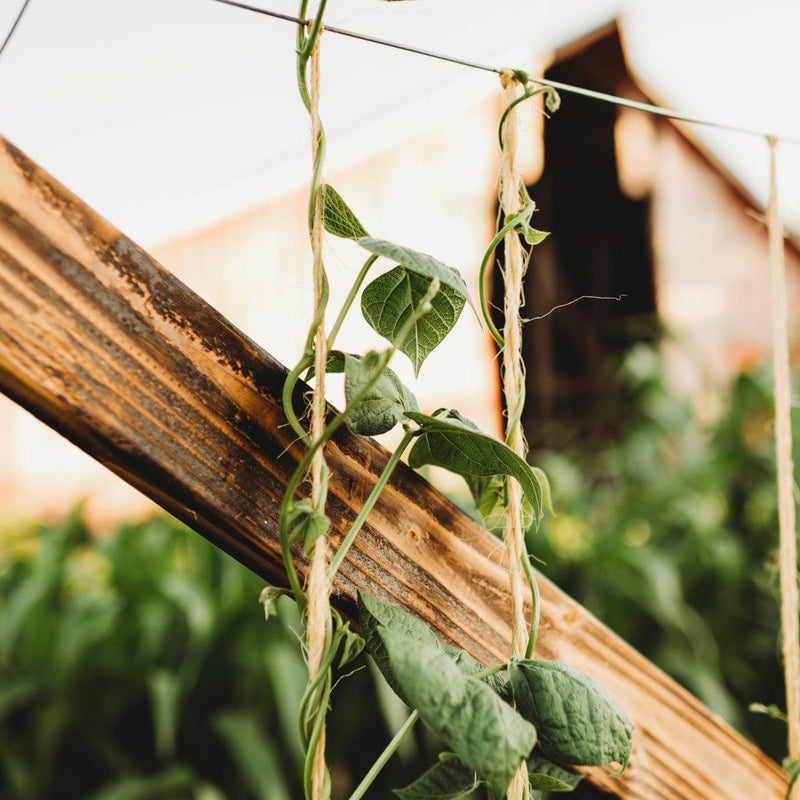
Although State Half Runner beans don't wander quite as much as a typical pole bean, gardeners may wish to trellis them to save strain on the back at harvest time. Here in Iowa, we commonly see them growing to heights of 5 feet or more when we offer them a support structure and have come to prefer growing them that way. Plants mature approximately 55 days after sowing and will yield until frost if kept well-picked. Each packet contains a minimum of 50 seeds.
Phaseolus vulgaris
The State Half-Runner Bean is a popular heirloom half-runner that produces heavy yields of tender green beans with white seeds. True to its intended form, the State Half-Runner Bean is a stout bean with fat, round pods averaging 4 to 5 inches long and up to half an inch wide. The enclosed white seeds are relatively large for a half runner and are sometimes cut short, or squared off, due to the limited space available inside the pod.
While it ha... read more
Phaseolus vulgaris
The State Half-Runner Bean is a popular heirloom half-runner that produces heavy yields of tender green beans with white seeds. True to its intended form, the State Half-Runner Bean is a stout bean with fat, round pods averaging 4 to 5 inches long and up to half an inch wide. The enclosed white seeds are relatively large for a half runner and are sometimes cut short, or squared off, due to the limited space available inside the pod.
While it has somewhat of an elusive past, the State Half Runner Bean is thought to have been selected from the original White Half Runner that was popular throughout West Virginia in the early 20th century. Following its introduction sometime around 1949, the State Half Runner became popular throughout Appalachia, particularly in the mountains of North Carolina.
Although State Half Runner beans don't wander quite as much as a typical pole bean, gardeners may wish to trellis them to save strain on the back at harvest time. Here in Iowa, we commonly see them growing to heights of 5 feet or more when we offer them a support structure and have come to prefer growing them that way. Plants mature approximately 55 days after sowing and will yield until frost if kept well-picked. Each packet contains a minimum of 50 seeds.