We ship to the United States, its territories and outlying islands. Returns are accepted within 30 days of receipt. Full warranty information can be found here.





✓ Plant with Confidence—Guaranteed Through 2027
 Get it between -
Open-pollinated varieties, perfect for seed saving.
Safe seeds, free of neonics and other treatments.
It's simple. If you have a problem, we make it right.

Ocimum tenuiflorum
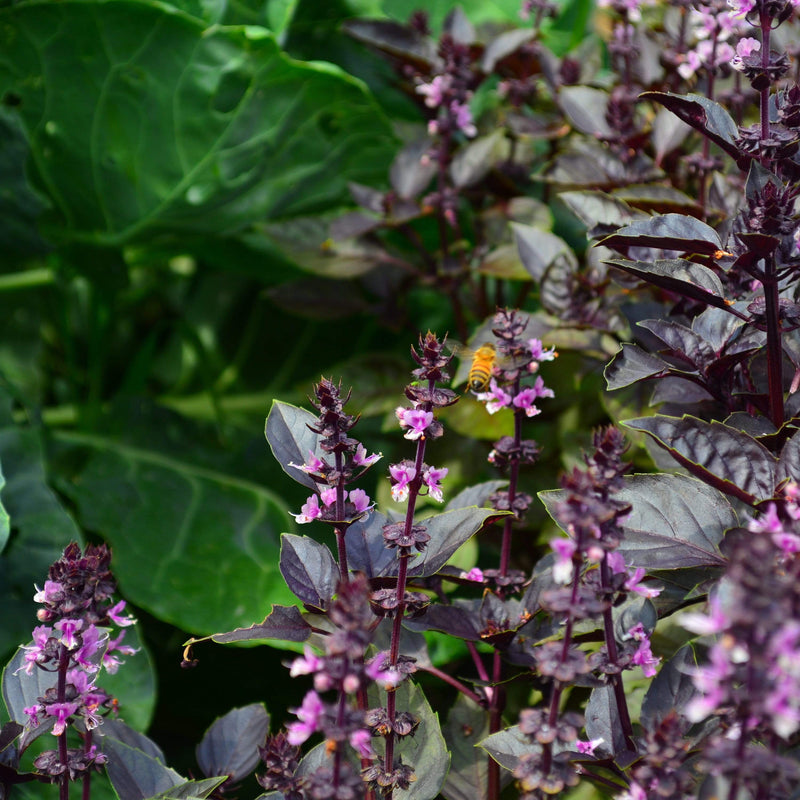
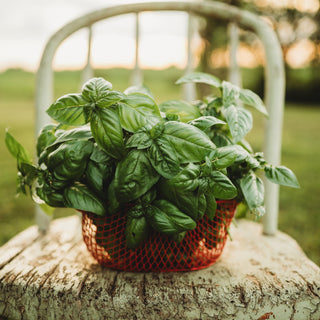
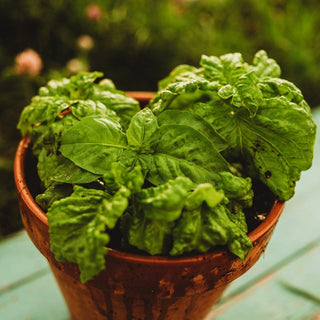
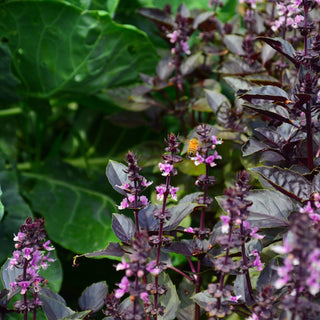
Red Holy Basil (also called Tulsi) carries all the sacred tradition and herbal benefits of green Holy Basil, but with striking purple-red foliage that makes it as beautiful as it is useful. Long revered in Ayurvedic medicine as the “Queen of Herbs,” Tulsi is cherished for its adaptogenic qualities, believed to help the body adapt to stress, support immune health, and promote balance. Its clove- and anise-scented leaves bring a distinctive, peppery-sweet flavor to teas, curries, and stir-fries.
In the garden, Red Holy Basil is just as easy to grow as the green form. Plants thrive in warm weather, branch freely, and respond well to regular harvesting, quickly bouncing back after cutting. Even a ... More
Ocimum tenuiflorum
Red Holy Basil (also called Tulsi) carries all the sacred tradition and herbal benefits of green Holy Basil, but with striking purple-red foliage that makes it as beautiful as it is useful. Long revered in Ayurvedic medicine as the “Queen of Herbs,” Tulsi is cherished for its adaptogenic qualities, believed to help the body adapt to stress, support immune health, and promote balance. Its clove- and anise-scented leaves bring a distinctive, peppery-sweet flavor to teas, curries, and stir-fries.
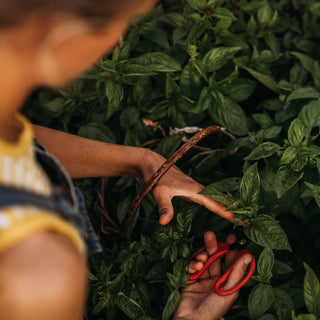
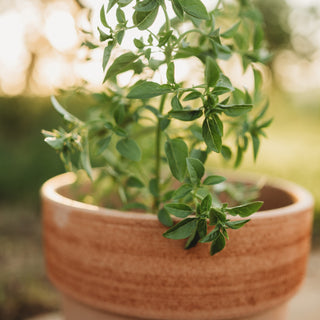
In the garden, Red Holy Basil is just as easy to grow as the green form. Plants thrive in warm weather, branch freely, and respond well to regular harvesting, quickly bouncing back after cutting. Even a small planting yields a steady supply of vibrant leaves, and the colorful foliage adds an ornamental touch to herb beds or mixed plantings.
What sets Red Holy Basil apart is its abundance of anthocyanins—the same antioxidant compounds that give blueberries and purple basil their vivid color. These pigments not only provide extra wellness benefits but also enrich teas and infusions with a gorgeous rosy tint. Leaves can be dried or frozen for year-round use, ensuring that the healthful, aromatic presence of Tulsi remains close at hand through every season. 65-75 days to harvest. Each packet contains a minimum of 250 seeds.
Ocimum tenuiflorum
Red Holy Basil (also called Tulsi) carries all the sacred tradition and herbal benefits of green Holy Basil, but with striking purple-red foliage that makes it as beautiful as it is useful. Long revered in Ayurvedic medicine as the “Queen of Herbs,” Tulsi is cherished for its adaptogenic qualities, believed to help the body adapt to stress, support immune health, and promote balance. Its clove- and anise-scented leaves bring a distinctive, peppery-sweet f... read more
Ocimum tenuiflorum
Red Holy Basil (also called Tulsi) carries all the sacred tradition and herbal benefits of green Holy Basil, but with striking purple-red foliage that makes it as beautiful as it is useful. Long revered in Ayurvedic medicine as the “Queen of Herbs,” Tulsi is cherished for its adaptogenic qualities, believed to help the body adapt to stress, support immune health, and promote balance. Its clove- and anise-scented leaves bring a distinctive, peppery-sweet flavor to teas, curries, and stir-fries.
In the garden, Red Holy Basil is just as easy to grow as the green form. Plants thrive in warm weather, branch freely, and respond well to regular harvesting, quickly bouncing back after cutting. Even a small planting yields a steady supply of vibrant leaves, and the colorful foliage adds an ornamental touch to herb beds or mixed plantings.
What sets Red Holy Basil apart is its abundance of anthocyanins—the same antioxidant compounds that give blueberries and purple basil their vivid color. These pigments not only provide extra wellness benefits but also enrich teas and infusions with a gorgeous rosy tint. Leaves can be dried or frozen for year-round use, ensuring that the healthful, aromatic presence of Tulsi remains close at hand through every season. 65-75 days to harvest. Each packet contains a minimum of 250 seeds.