We ship to the United States, its territories and outlying islands. Returns are accepted within 30 days of receipt. Full warranty information can be found here.




✓ Plant with Confidence—Guaranteed Through 2027
 Get it between -
Open-pollinated varieties, perfect for seed saving.
Safe seeds, free of neonics and other treatments.
It's simple. If you have a problem, we make it right.
Anethum graveolens
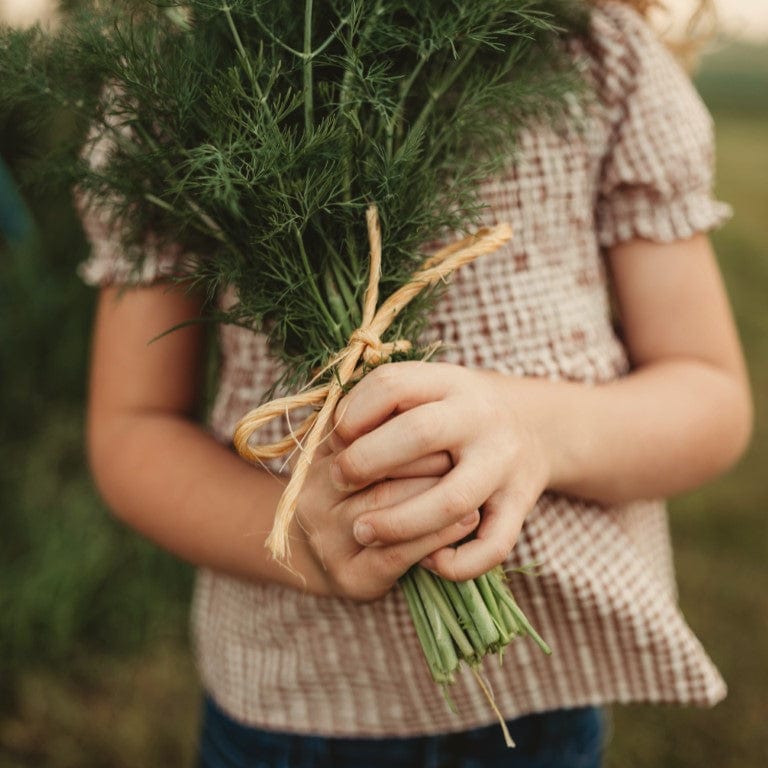
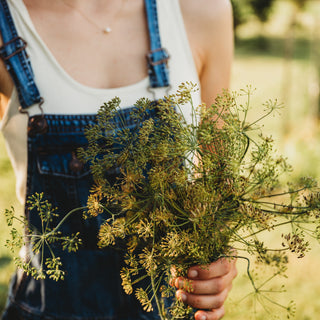
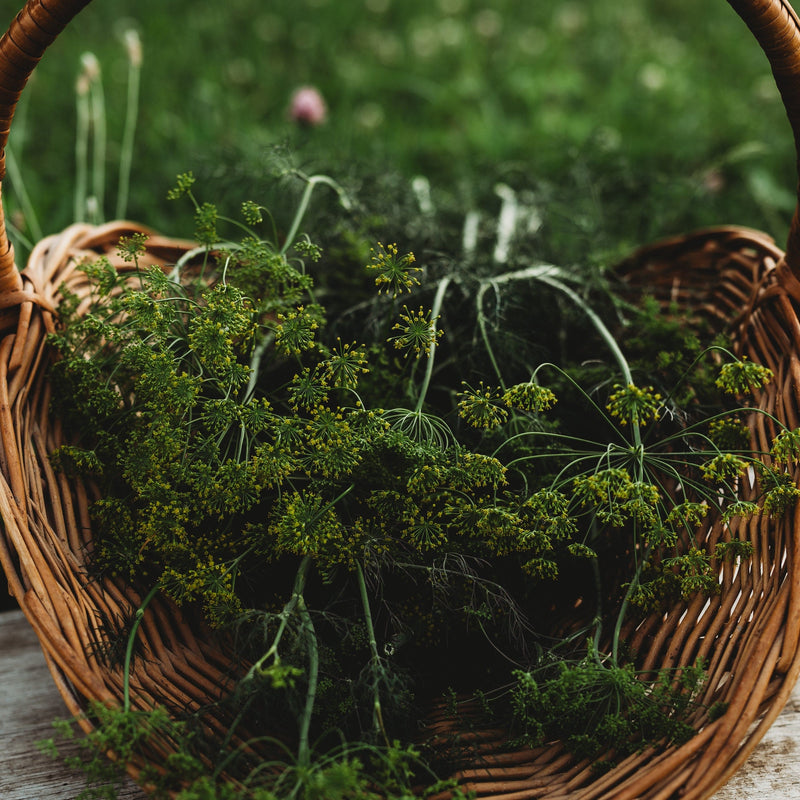
Grandma Eincks is an heirloom variety of dill that produces long-lasting, blue-green foliage topped by large, fragrant seed heads. Grown near Festina, Iowa since the 1920's, this Iowa heirloom was introduced to Seed Savers Exchange by way of its co-founder Diane Ott Whealy who inherited the seed from her grandmother, Katherine Einck. We thoroughly Grandma Einck's feathery and flavorful foliage, using it frequently in salads and marinades. The swallowtail caterpillars in our garden likewise enjoy the foliage, fattening up on its lush fronds over the course of the summer.
Grandma Einck's flowered approximately 1-2 weeks after Dukat in our trials, making it useful as both a leaf cutting varie... More
Anethum graveolens
Grandma Eincks is an heirloom variety of dill that produces long-lasting, blue-green foliage topped by large, fragrant seed heads. Grown near Festina, Iowa since the 1920's, this Iowa heirloom was introduced to Seed Savers Exchange by way of its co-founder Diane Ott Whealy who inherited the seed from her grandmother, Katherine Einck. We thoroughly Grandma Einck's feathery and flavorful foliage, using it frequently in salads and marinades. The swallowtail caterpillars in our garden likewise enjoy the foliage, fattening up on its lush fronds over the course of the summer.
Grandma Einck's flowered approximately 1-2 weeks after Dukat in our trials, making it useful as both a leaf cutting variety and a later flowering variety for pickling. Seed Savers notes that Grandma Einck's dill can have erratic germination so gardeners should be patient during the sprouting period. We have not experienced this but suppose it could be dependent on environment and/or weather. Approximately 60 days to harvest for leaves, 85 days for flowers. Each packet contains a minimum of 500 seeds.
Anethum graveolens
Grandma Eincks is an heirloom variety of dill that produces long-lasting, blue-green foliage topped by large, fragrant seed heads. Grown near Festina, Iowa since the 1920's, this Iowa heirloom was introduced to Seed Savers Exchange by way of its co-founder Diane Ott Whealy who inherited the seed from her grandmother, Katherine Einck. We thoroughly Grandma Einck's feathery and flavorful foliage, using it frequently in salads and marinades. The swallowta... read more
Anethum graveolens
Grandma Eincks is an heirloom variety of dill that produces long-lasting, blue-green foliage topped by large, fragrant seed heads. Grown near Festina, Iowa since the 1920's, this Iowa heirloom was introduced to Seed Savers Exchange by way of its co-founder Diane Ott Whealy who inherited the seed from her grandmother, Katherine Einck. We thoroughly Grandma Einck's feathery and flavorful foliage, using it frequently in salads and marinades. The swallowtail caterpillars in our garden likewise enjoy the foliage, fattening up on its lush fronds over the course of the summer.
Grandma Einck's flowered approximately 1-2 weeks after Dukat in our trials, making it useful as both a leaf cutting variety and a later flowering variety for pickling. Seed Savers notes that Grandma Einck's dill can have erratic germination so gardeners should be patient during the sprouting period. We have not experienced this but suppose it could be dependent on environment and/or weather. Approximately 60 days to harvest for leaves, 85 days for flowers. Each packet contains a minimum of 500 seeds.