We ship to the United States, its territories and outlying islands. Returns are accepted within 30 days of receipt. Full warranty information can be found here.

Free Shipping on Orders $35+
✓ Plant with Confidence—Guaranteed Through 2027
Get it between -
We ship to the United States, its territories and outlying islands. Returns are accepted within 30 days of receipt. Full warranty information can be found here.
We guarantee our seed to be fresh, vigorous, untreated, and true to variety.
Each packet is guaranteed through the year printed on the packet, plus one full additional growing year.
If your seeds fail to germinate, arrive damaged, or do not grow true to type, please contact us and we will make it right through replacement seed, store credit, or refund when appropriate.
Full warranty policy here.
Open-pollinated varieties, perfect for seed saving.
Safe seeds, free of neonics and other treatments.
It's simple. If you have a problem, we make it right.
Brassica rapa subsp. Pekinensis
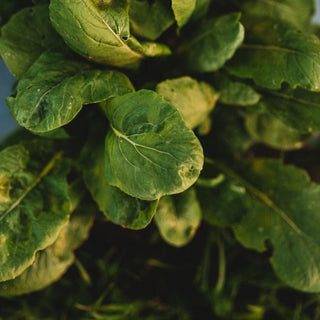
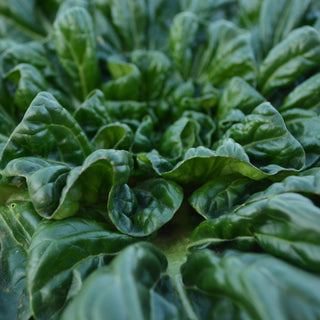
Early Giant is a very rare bok choy variety collected in China by the USDA in 1977. Early-maturing plants produce large, tight heads with ivory stems and round, dark green leaves. Plants tolerated several hard freezes this spring and showed excellent insect resistance compared to other varieties we trialed. Plants mature around 40 days after sowing. Each packet contains a minimum of 150 seeds.
Brassica rapa subsp. Pekinensis
Early Giant is a very rare bok choy variety collected in China by the USDA in 1977. Early-maturing plants produce large, tight heads with ivory stems and round, dark green leaves. Plants tolerated several hard freezes this spring and showed excellent insect resistance compared to other varieties we trialed. Plants mature around 40 days after sowing. Each packet contains a minimum of 150 seeds.
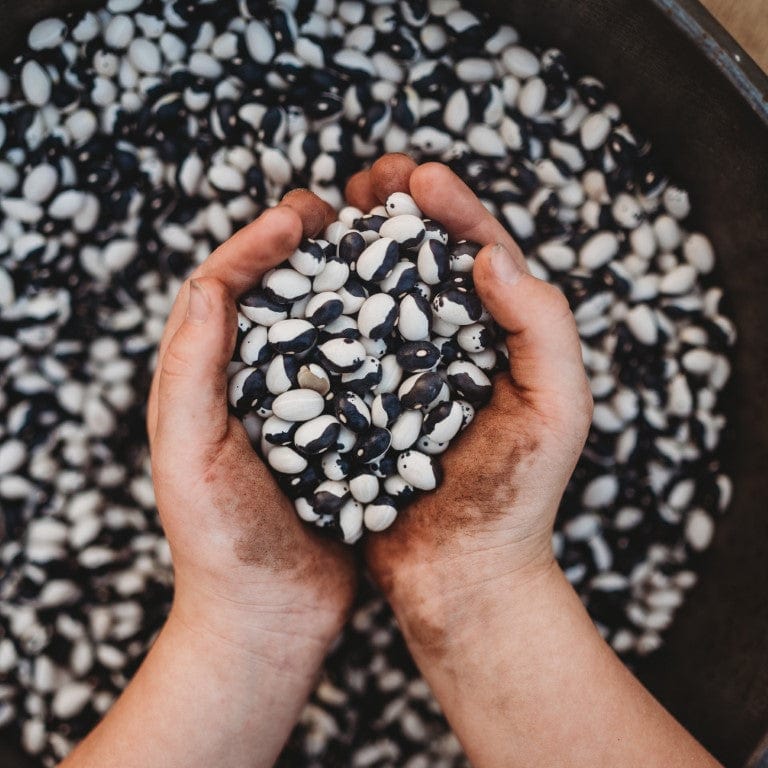
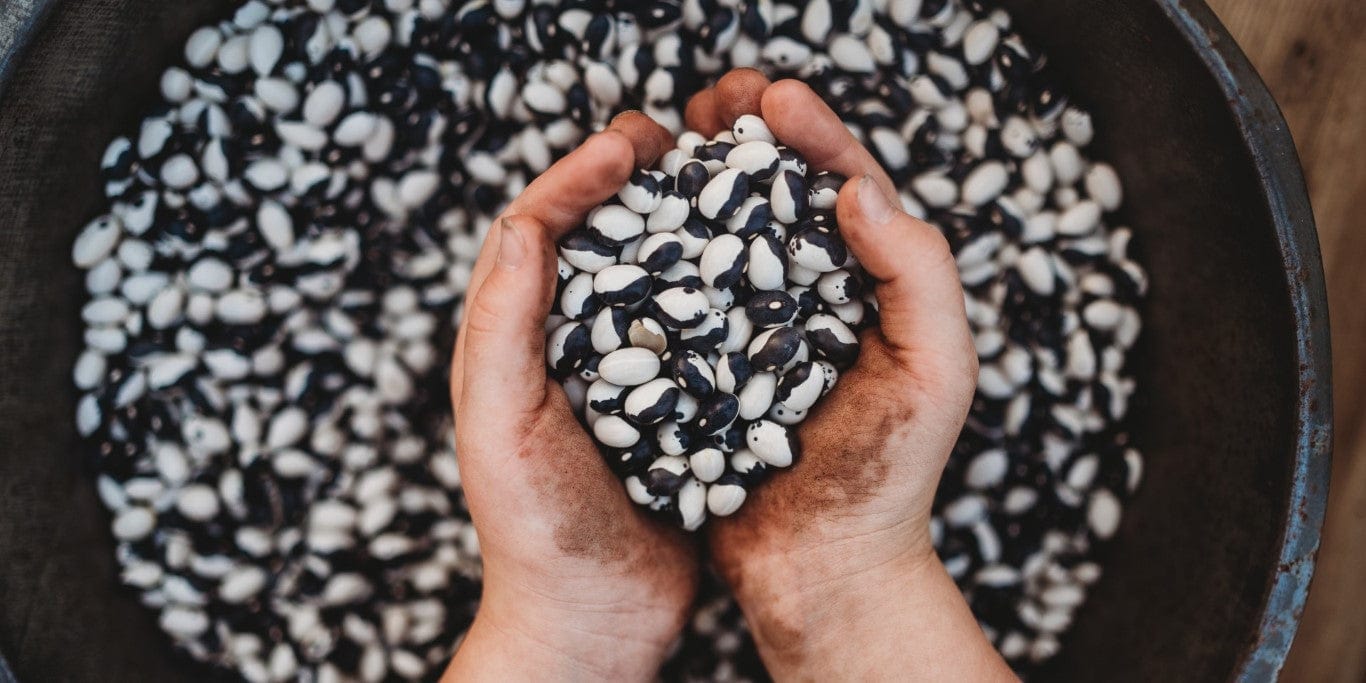
A handful of seeds you've saved yourself is worth more than a bucketful bought in a store—because those seeds carry a season’s worth of hard-earned experience. That’s why our growing guides go beyond planting advice to include comprehensive seed-saving instructions. Because ultimately, there is no more valuable a commodity than earned knowledge.
Bok choy, known also as pak choi prefers fertile, well-drained soil with a pH between 6.0 and 7.5 and requires full sun to partial shade. It grows best in cool temperatures between 50-75°F and can tolerate some frost but not extreme heat. The soil should be kept consistently moist, and the plant may benefit from occasional fertilization. Bok Choy is a fast-growing plant that can be harvested as soon as 40 days after planting.
As soon as soil can be worked, sow seeds 3" apart, 1/4" deep in rows 12" apart. Under ideal conditions, germination will occur in 5-7 days. Thin to a final stand of one plant every 6-9".
Not recommended. Plants grown indoors are prone to bolting.
Insect Pests
Bok Choy is commonly affected by insect pests such as flea beetles, aphids, and caterpillars. To prevent and manage insect infestations, it may be beneficial to use row covers. Removing plant debris and rotating crops will also keep populations at bay. In severe cases, insecticidal soap or neem oil can be used as a last resort.
Diseases & Other Problems
Although not common, Bok Choy can be affected by several diseases, including black rot, downy mildew, and clubroot. To prevent these diseases, it is recommended to practice crop rotation and provide proper spacing between plants to allow for good air circulation. Overwatering and poor drainage can also lead to root problems.
Bok Choy can be harvested when the leaves are about 6-8 inches long, usually 40-60 days after planting. Use a sharp knife to cut the entire plant just above the soil level. The plant can regrow for a second harvest if the growing conditions are favorable. Store Pak Choi in a plastic bag or container in the refrigerator for up to a week. Rinse the leaves with cold water before using them. Avoid washing the leaves before storing them to prevent moisture buildup, which can cause the leaves to wilt and spoil faster.
CONSIDERATIONS:
Bok Choy is an outcrossing plant with pollination primarily being performed by bees and other insects. To maintain varietal purity, isolate at least one-quarter mile from all plants of the Brassica rapa species. This class includes turnip, rutabaga, mustard and some wild plants. If isolation by distance cannot be guaranteed, cover plants with netting or other physical barriers (pollinators will need to be introduced in this scenario).
HARVESTING SEED:
After flowering, the seed heads should be left on the plant until they have dried and turned brown. Cut the seed heads and lay flat on a tarp until completely dried. Once the siliques have dried, place stalks in a bag and stomp on them to release the seed. Winnow to separate the seed from the chaff and store seeds in an airtight container.
SEED LONGETIVITY:
Bok Choy seeds can maintain their viability for 3-5 years if stored properly. To ensure the longest possible viability, store the seeds in a cool, dry place in an airtight container or envelope.
We have a new Asian restaurant opening in town and they have shown an interest in fresh locally grown vegetables. I started out growing baby bok choy and my wife loved it. Now I have just planted yesterday the Early Giant Pak Choi from Thresh Seed Co. I have a thousand seeds to plant. This could be huge!
Could you please offer some other seeds to cater to Asian family favorite recipes? We also have an active Farmer's Market. Oh, did I say, "This could be huge?"
Sincerely,
Thomas (Green T) Hesselgrave
Hi Thomas, we're so glad you found us. You can find all of our Asian greens here:
https://www.threshseed.com/collections/asian-greens
Our Thai Hot chiles also have a bit of a cult following with restaurants.
Time will tell
Sign up to get the latest on sales, new releases, and more...