We ship to the United States, its territories and outlying islands. Returns are accepted within 30 days of receipt. Full warranty information can be found here.

Free Shipping on Orders $35+
✓ Plant with Confidence—Guaranteed Through 2027
Get it between -
We ship to the United States, its territories and outlying islands. Returns are accepted within 30 days of receipt. Full warranty information can be found here.
We guarantee our seed to be fresh, vigorous, untreated, and true to variety.
Each packet is guaranteed through the year printed on the packet, plus one full additional growing year.
If your seeds fail to germinate, arrive damaged, or do not grow true to type, please contact us and we will make it right through replacement seed, store credit, or refund when appropriate.
Full warranty policy here.
Open-pollinated varieties, perfect for seed saving.
Safe seeds, free of neonics and other treatments.
It's simple. If you have a problem, we make it right.
Cucumis sativus
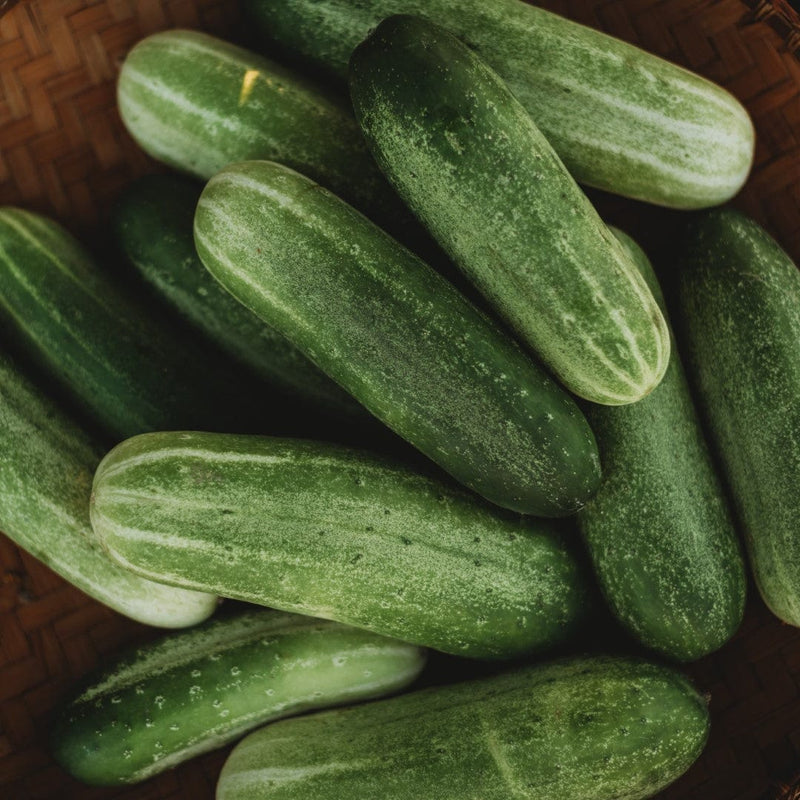
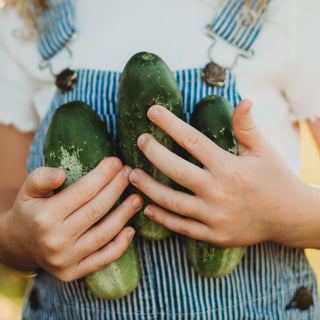
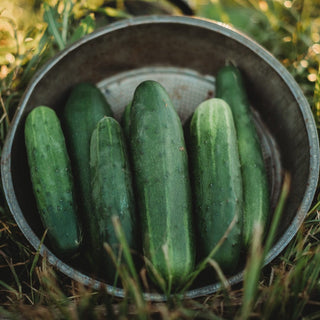
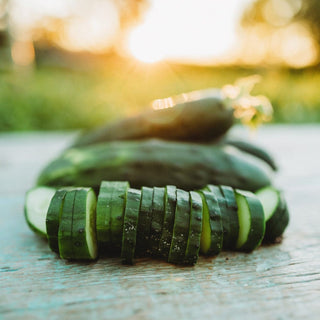
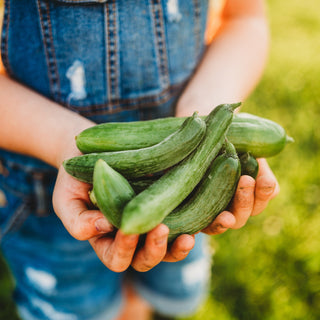
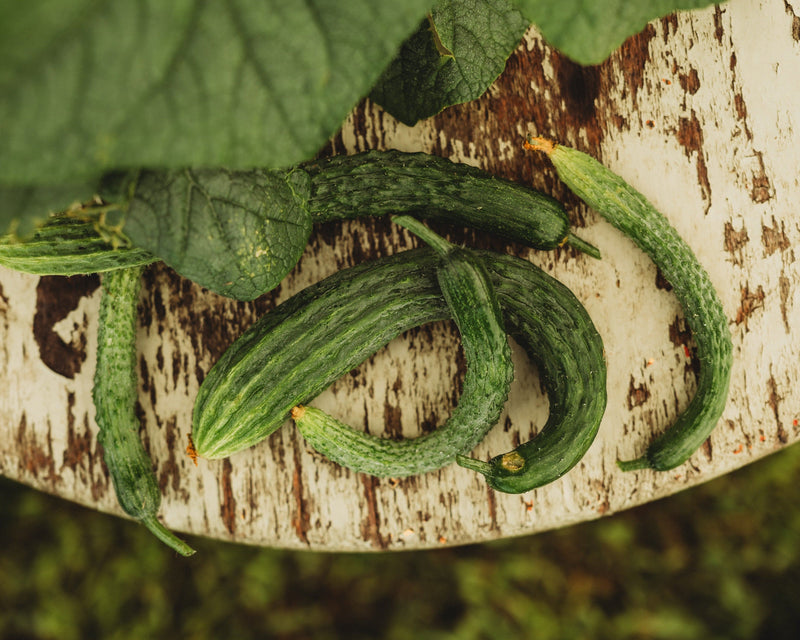
A standout among burpless cucumbers, Suyo Long is prized for its crisp texture, mild flavor, and impressive length—often stretching beyond 15 inches. This parthenocarpic cucumber sets fruit without pollination, making it an excellent choice for greenhouse production as well as the open garden. Slender, curling fruits are never bitter and rarely need peeling, ideal for snacking fresh off the vine or slicing into salads. For best results, give the vigorous vines a trellis to climb—this helps produce straighter fruit and improves airflow.
Originally from China, Suyo Long has been cultivated for generations and remains a favorite throughout East Asia for its dependable yields and heat tolerance. It m... More
Cucumis sativus
A standout among burpless cucumbers, Suyo Long is prized for its crisp texture, mild flavor, and impressive length—often stretching beyond 15 inches. This parthenocarpic cucumber sets fruit without pollination, making it an excellent choice for greenhouse production as well as the open garden. Slender, curling fruits are never bitter and rarely need peeling, ideal for snacking fresh off the vine or slicing into salads. For best results, give the vigorous vines a trellis to climb—this helps produce straighter fruit and improves airflow.
Originally from China, Suyo Long has been cultivated for generations and remains a favorite throughout East Asia for its dependable yields and heat tolerance. It made its way into American seed catalogs in the mid-20th century and has been charming gardeners ever since with its productivity and ease of growing. Whether you’re new to gardening or a seasoned grower, this cucumber brings both flavor and interest to your summer harvests.
Cucumis sativus
A standout among burpless cucumbers, Suyo Long is prized for its crisp texture, mild flavor, and impressive length—often stretching beyond 15 inches. This parthenocarpic cucumber sets fruit without pollination, making it an excellent choice for greenhouse production as well as the open garden. Slender, curling fruits are never bitter and rarely need peeling, ideal for snacking fresh off the vine or slicing into salads. For best results, give the vigorous vin... read more
Cucumis sativus
A standout among burpless cucumbers, Suyo Long is prized for its crisp texture, mild flavor, and impressive length—often stretching beyond 15 inches. This parthenocarpic cucumber sets fruit without pollination, making it an excellent choice for greenhouse production as well as the open garden. Slender, curling fruits are never bitter and rarely need peeling, ideal for snacking fresh off the vine or slicing into salads. For best results, give the vigorous vines a trellis to climb—this helps produce straighter fruit and improves airflow.
Originally from China, Suyo Long has been cultivated for generations and remains a favorite throughout East Asia for its dependable yields and heat tolerance. It made its way into American seed catalogs in the mid-20th century and has been charming gardeners ever since with its productivity and ease of growing. Whether you’re new to gardening or a seasoned grower, this cucumber brings both flavor and interest to your summer harvests.
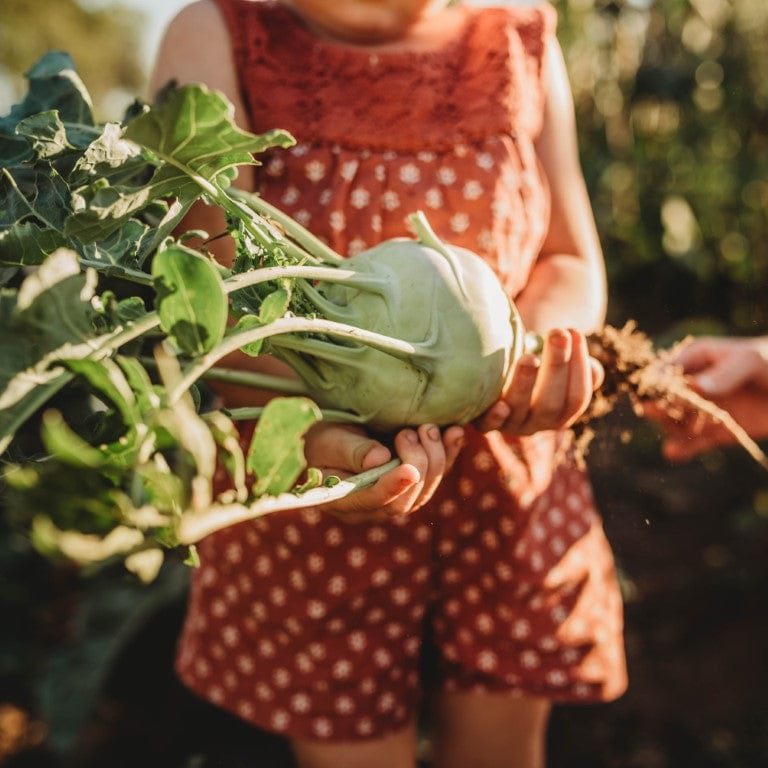
We care about what we put in your hands and in the soil. That’s why our seeds are never treated with neonicotinoids or any other chemicals. Our varieties are all non-GMO and non-hybrid, so you can save seeds from your plants and grow them again next year.
Cucumbers require well-draining soil with a pH of 6.0 to 7.0 and full sun exposure. The soil should be rich in organic matter and the plants need consistent moisture. Cucumbers are heavy feeders and benefit from regular fertilization throughout the growing season.
Direct sow seeds in spring after danger of frost has passed. Seeds should be sown 2-3 per hill with hills spaced at least 3' in all directions. Alternatively, seeds may be sown along a trellis with 12-24" final spacing between plants. Under ideal conditions, germination will occur in 7-10 days. Cucumbers may also be started indoors 3-4 weeks before the last frost.
Once the seedlings have developed their second set of leaves, they can be transplanted into larger pots or directly into the garden. When transplanting, be sure to handle the seedlings gently to avoid damaging the delicate roots.
Insect Pests
Cucumbers are susceptible to several insect pests, including cucumber beetles, aphids, spider mites, whiteflies, and squash bugs. Although usually not a significant problem, these pests can occasionally cause significant damage to the leaves and fruit, leading to reduced yields and poor plant health. It is important to monitor for pests regularly and take appropriate measures, such as using insecticidal soaps or organic insecticides, to control their populations.
Diseases & Other Problems
Cucumbers are susceptible to a number of diseases and disorders, including cucumber mosaic virus, powdery mildew, downy mildew, bacterial wilt, and anthracnose. In addition, overwatering, underwatering, and poor air circulation can also lead to issues such as root rot and leaf spot.
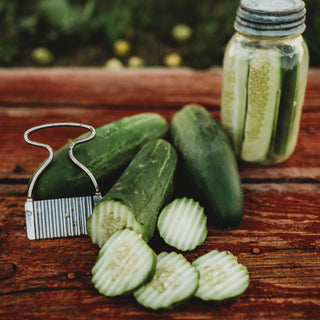
The ideal harvest time will depend on the variety, but in general cucumbers are best harvested when they are about 6 to 8 inches long and still firm. Simply cut or gently twist them from the vine, being careful not to damage the plant. Store fresh cucumbers in the refrigerator in a plastic bag for up to a week. Cucumbers can also be pickled or preserved for longer-term storage.
CONSIDERATIONS:
Cucumber plants require pollination to produce fruit, and cross-pollination can occur between different varieties. If you want to save seeds from your cucumbers, it's best to isolate them from other cucumber varieties to prevent cross-pollination. Armenian cucumber is technically a melon and should be isolated from honeydew and muskmelon.
HARVESTING SEED:
To extract seeds from cucumbers, allow the cucumber to fully mature and turn yellow on the vine. Cut the cucumber open lengthwise and use a spoon to scrape out the seeds and pulp. Place the seeds in a bowl of water and let them ferment for a few days. During fermentation, the pulp and debris will separate from the seeds and sink to the bottom. Skim off the debris and rinse the seeds thoroughly. Then, spread them out on a paper towel to dry for several days, stirring occasionally to ensure even drying. Once the seeds are fully dry, store them in a cool, dry place.
SEED LONGETIVITY:
Under ideal storage conditions (cool and dry place), cucumber seeds can maintain their viability for up to 5-10 years.
Sign up to get the latest on sales, new releases, and more...