We ship to the United States, its territories and outlying islands. Returns are accepted within 30 days of receipt. Full warranty information can be found here.

Free Shipping on Orders $35+
✓ Plant with Confidence—Guaranteed Through 2027
Get it between -
We ship to the United States, its territories and outlying islands. Returns are accepted within 30 days of receipt. Full warranty information can be found here.
We guarantee our seed to be fresh, vigorous, untreated, and true to variety.
Each packet is guaranteed through the year printed on the packet, plus one full additional growing year.
If your seeds fail to germinate, arrive damaged, or do not grow true to type, please contact us and we will make it right through replacement seed, store credit, or refund when appropriate.
Full warranty policy here.
Open-pollinated varieties, perfect for seed saving.
Safe seeds, free of neonics and other treatments.
It's simple. If you have a problem, we make it right.
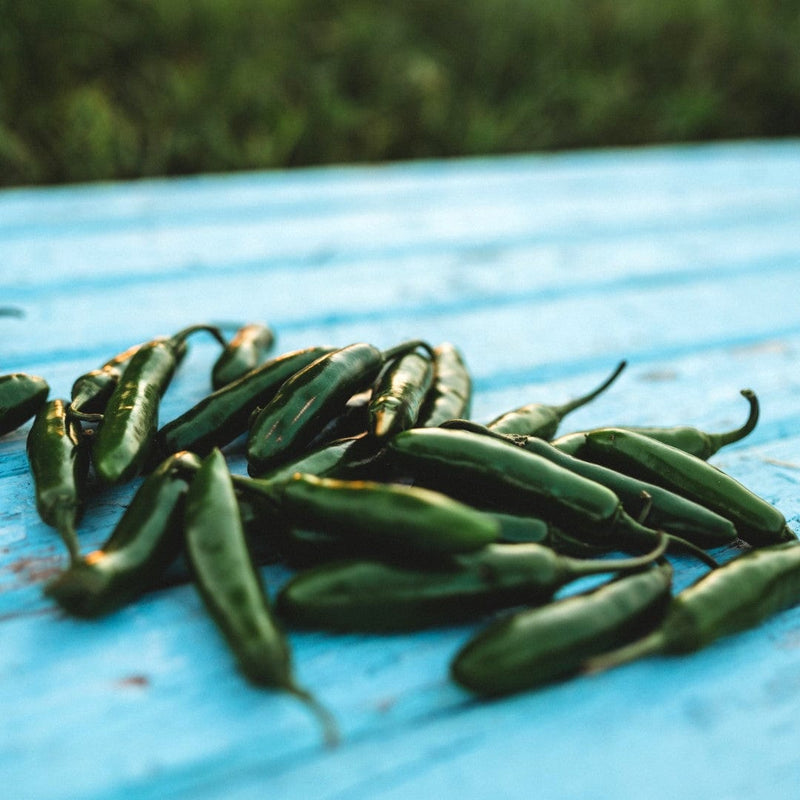
Capsicum annuum
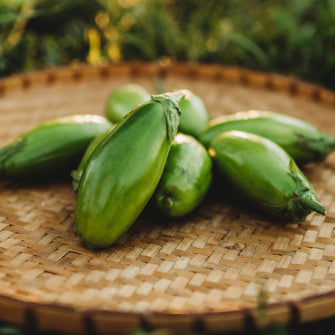
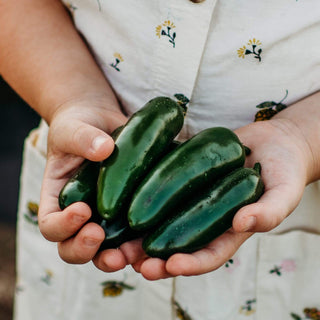
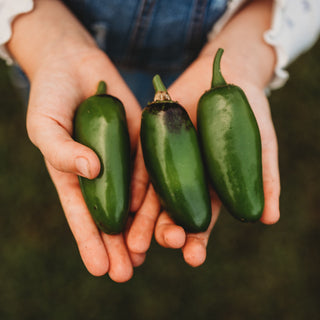
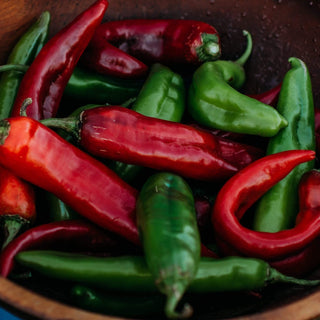
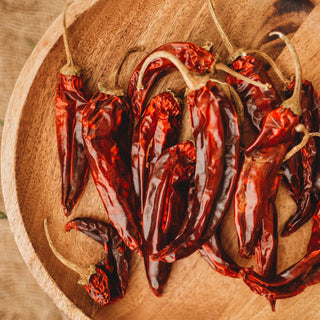
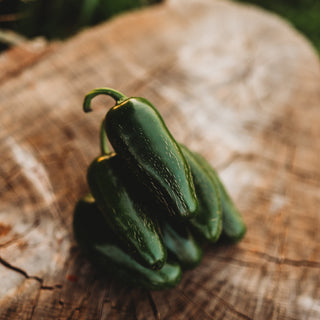
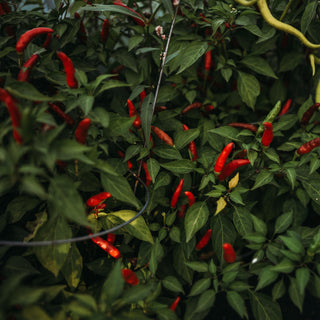
Translating to "highlander" or "of the mountain", Serrano is a popular chili pepper originating from the mountainous region that spans the Mexican states of Hidalgo and Pueblo. Among the many strains of Serrano, Tampiqueño is the most traditional, known for its dependable yields, classic flavor, and authentic heritage. This heirloom strain produces vigorous 24 to 36-inch plants that yield basketfuls of glossy, 2-inch green peppers that eventually ripen to a deep red.
A popular pepper for salsas, sauces, pickling and drying, the Serrano pepper's medium-hot heat level gives it a plethora of uses in the kitchen. With an average of 10,000 Scoville, Serrano peppers are ideal for those who aren't yet... More
Capsicum annuum
Translating to "highlander" or "of the mountain", Serrano is a popular chili pepper originating from the mountainous region that spans the Mexican states of Hidalgo and Pueblo. Among the many strains of Serrano, Tampiqueño is the most traditional, known for its dependable yields, classic flavor, and authentic heritage. This heirloom strain produces vigorous 24 to 36-inch plants that yield basketfuls of glossy, 2-inch green peppers that eventually ripen to a deep red.
A popular pepper for salsas, sauces, pickling and drying, the Serrano pepper's medium-hot heat level gives it a plethora of uses in the kitchen. With an average of 10,000 Scoville, Serrano peppers are ideal for those who aren't yet ready to jump into a sea of fire, but want to do more than dip a toe in. Harvests begin approximately 75 days from transplant. Each packet contains a minimum of 25 seeds.
Capsicum annuum
Translating to "highlander" or "of the mountain", Serrano is a popular chili pepper originating from the mountainous region that spans the Mexican states of Hidalgo and Pueblo. Among the many strains of Serrano, Tampiqueño is the most traditional, known for its dependable yields, classic flavor, and authentic heritage. This heirloom strain produces vigorous 24 to 36-inch plants that yield basketfuls of glossy, 2-inch green peppers that eventually ripen to a ... read more
Capsicum annuum
Translating to "highlander" or "of the mountain", Serrano is a popular chili pepper originating from the mountainous region that spans the Mexican states of Hidalgo and Pueblo. Among the many strains of Serrano, Tampiqueño is the most traditional, known for its dependable yields, classic flavor, and authentic heritage. This heirloom strain produces vigorous 24 to 36-inch plants that yield basketfuls of glossy, 2-inch green peppers that eventually ripen to a deep red.
A popular pepper for salsas, sauces, pickling and drying, the Serrano pepper's medium-hot heat level gives it a plethora of uses in the kitchen. With an average of 10,000 Scoville, Serrano peppers are ideal for those who aren't yet ready to jump into a sea of fire, but want to do more than dip a toe in. Harvests begin approximately 75 days from transplant. Each packet contains a minimum of 25 seeds.
Whether you grow organically or conventionally, there’s power in knowing exactly what’s on your food—and what isn’t. That’s why we love gardening: it puts you in control, letting you choose what matters most—health, flavor, sustainability, or simply the joy of growing it yourself.
Peppers perform best in well-drained soil that contains plenty of organic matter and adequate phosphorous and calcium. Mulching plants with poly, paper, or natural materials will ensure consistent moisture throughout the root zone.
For earliest harvest, start seeds indoors 6-8 weeks before the last frost. Sow seeds 1/4" deep in well moistened, sterile seed-starting mix. The ideal soil temperature for C. annuum germination is 85 degrees. For best results, place a grower's heat mat beneath trays until germination has occurred. Under ideal conditions, germination should occur in 10-14 days. Super hot chiles can take up to a month to germinate. Be sure to keep the soil moist, but not soggy, until germination has occurred. Placing a plastic dome over the trays will eliminate a need for frequent watering during the germination period.
After danger of frost has passed, set transplants 18-24" apart in rows 24-36" apart. Ensure that plants receive 1-2" of water per week. Avoid over-application of nitrogen as this can cause vegetative growth at the expense of fruit set.
Insect Pests
Biological controls such as Bacillus thuringiensis can be effective in controlling climbing cutworms. Aphids, flea beetles, and other hard-shelled insects can be controlled with an insecticidal soap solution.
Diseases & Other Problems
To prevent common pepper diseases like Phytopthora and bacterial spot, avoid watering plants at night or on cool, cloudy days. Excess nitrogen and/or insufficient phosphorous can cause pepper plants to become bushy and produce few blossoms.
Peppers can be harvested at any time but should be picked before they become soft or overly mature. Harvesting regularly will encourage further fruit set. Peppers can be stored in the refrigerator for 4 to 5 days. Alternatively, they can be dried by hanging them or placing them on a screen or basket in a warm, well-ventilated location until completely dry.
CONSIDERATIONS:
Select disease-free plants that are true-to-type. Pepper plants are prone to cross pollination by bees, so precautions should be taken to prevent pollination by insects. Covering plants with mosquito netting is an effective method to protect against pollen contamination.
HARVESTING SEED:
Harvest mature, disease-free fruit that have developed their final color. Cut open fruit and use a gloved hand to remove the seed. Dry on a coffee filter or paper towel. Store in an airtight container until ready to use.
Note: We have noticed that pepper juice can leach through gloves. It is wise to double up if you are processing a large number of peppers or superhot chiles.
SEED LONGETIVITY:
Pepper seeds will remain viable for three years when stored under ideal conditions.
Very happy with the germination rate and the strength of the plants. If they produce I will order again.
Sign up to get the latest on sales, new releases, and more...