We ship to the United States, its territories and outlying islands. Returns are accepted within 30 days of receipt. Full warranty information can be found here.






✓ Plant with Confidence—Guaranteed Through 2027
 Get it between -
Open-pollinated varieties, perfect for seed saving.
Safe seeds, free of neonics and other treatments.
It's simple. If you have a problem, we make it right.

Ocimum tenuiflorum
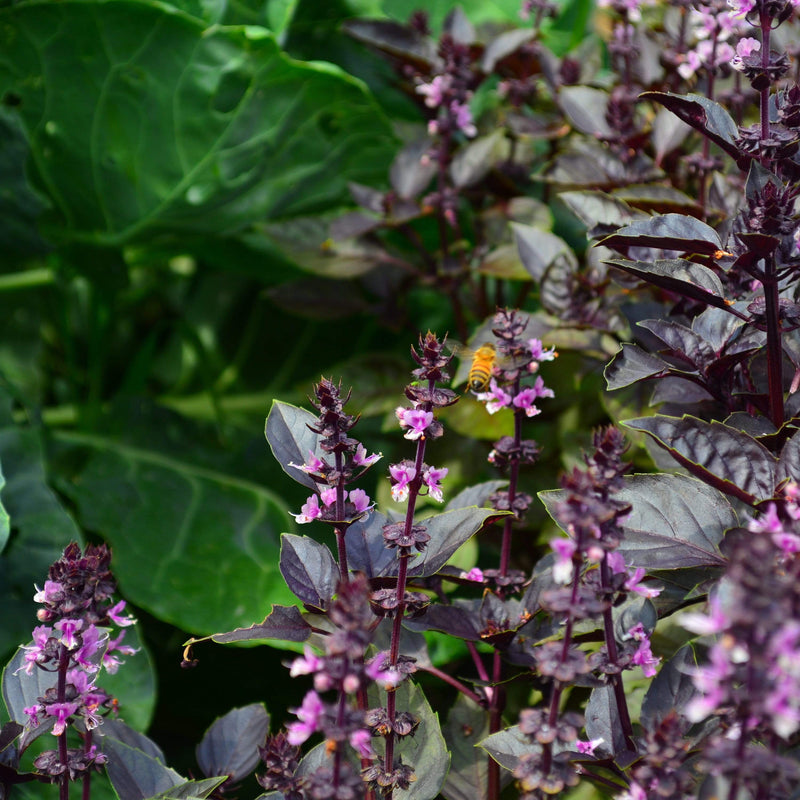
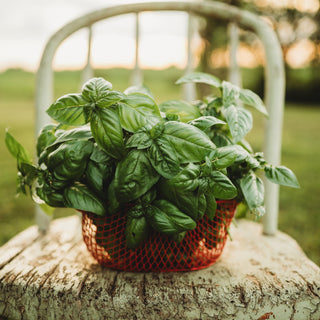
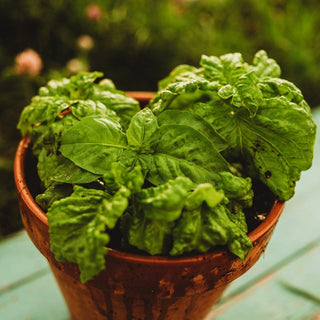
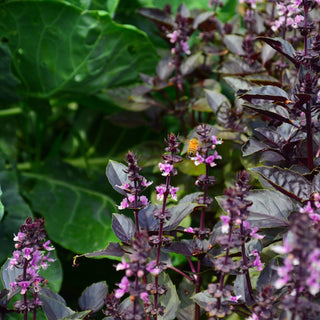
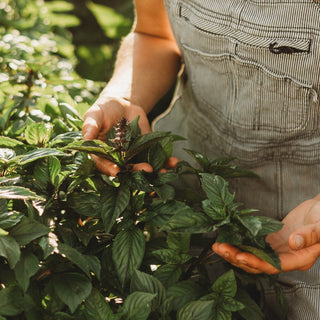
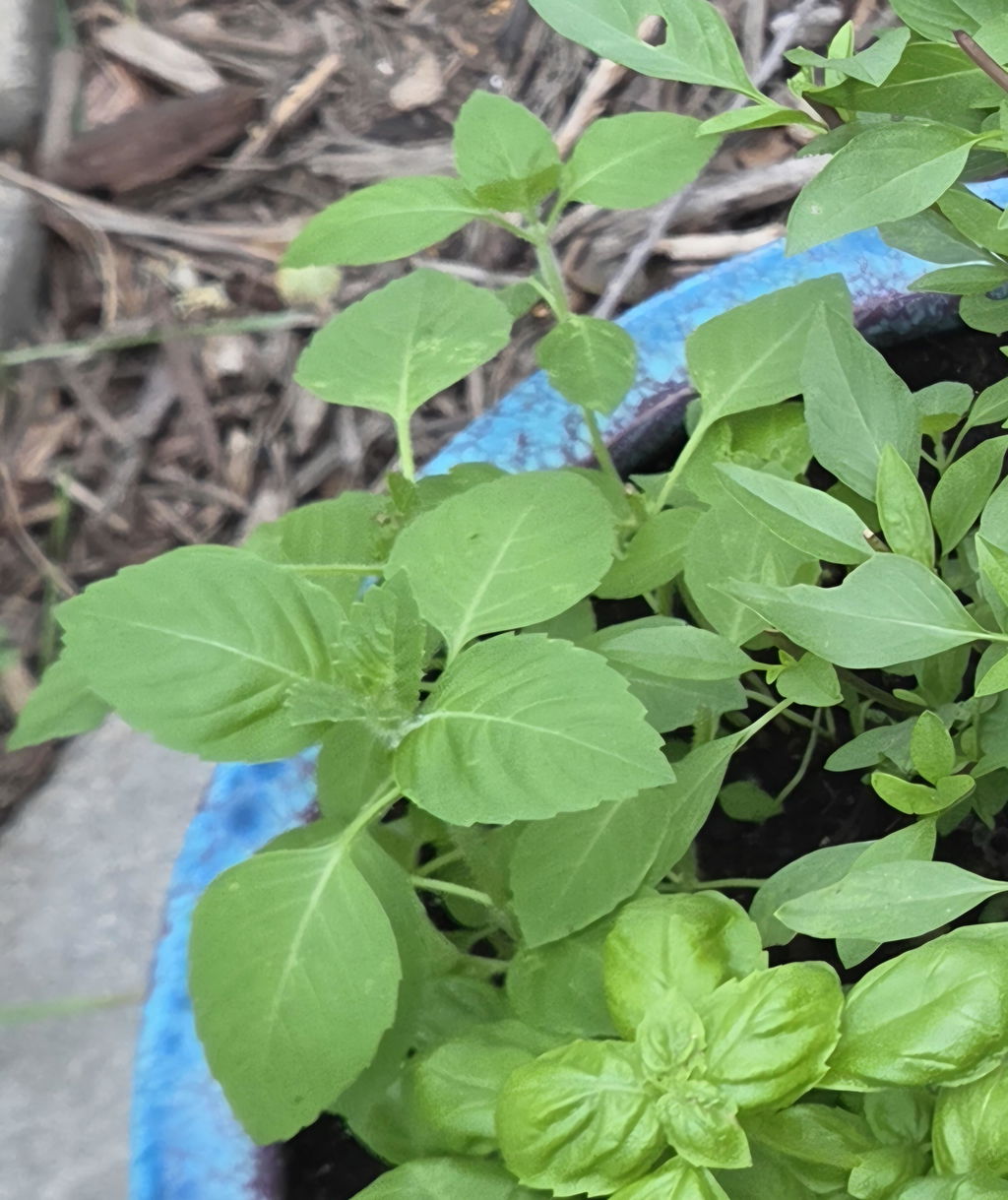
Holy Basil (also known as Tulsi) is one of the most revered herbs in Ayurvedic tradition, often called the “Queen of Herbs.” For centuries it has been valued for its adaptogenic properties, believed to help the body respond to stress, support immunity, and promote overall balance. Its fragrant, clove- and anise-scented leaves are commonly steeped into soothing teas, blended into tonics, or used fresh to enliven curries and stir-fries.
If you can grow traditional basil (it's easy), you can grow holy basil. Plants germinate readily, thrive in warm weather, and branch freely, producing a continuous flush of lush green leaves. They recover quickly after cutting, making frequent harvests not only p... More
Ocimum tenuiflorum
Holy Basil (also known as Tulsi) is one of the most revered herbs in Ayurvedic tradition, often called the “Queen of Herbs.” For centuries it has been valued for its adaptogenic properties, believed to help the body respond to stress, support immunity, and promote overall balance. Its fragrant, clove- and anise-scented leaves are commonly steeped into soothing teas, blended into tonics, or used fresh to enliven curries and stir-fries.
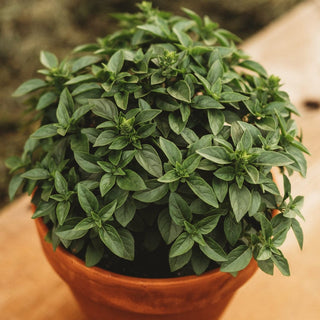
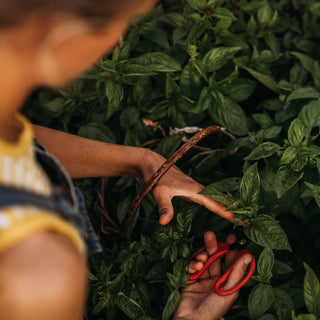
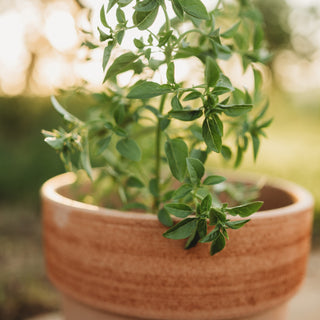
If you can grow traditional basil (it's easy), you can grow holy basil. Plants germinate readily, thrive in warm weather, and branch freely, producing a continuous flush of lush green leaves. They recover quickly after cutting, making frequent harvests not only possible but beneficial to the plant’s growth. Even a small planting will provide a steady supply of fresh foliage for culinary or medicinal use throughout the summer.
While the leaves can be dried for herbal blends, our favorite way to preserve Holy Basil for winter tea is to freeze it. Freezing requires almost no effort and has the added benefit of bursting plant cells, releasing the natural oils that give Tulsi its distinctive aroma and flavor. Whether grown for wellness, flavor, or cultural connection, Holy Basil is a rewarding heirloom herb that offers gardeners both practicality and tradition.
Ocimum tenuiflorum
Holy Basil (also known as Tulsi) is one of the most revered herbs in Ayurvedic tradition, often called the “Queen of Herbs.” For centuries it has been valued for its adaptogenic properties, believed to help the body respond to stress, support immunity, and promote overall balance. Its fragrant, clove- and anise-scented leaves are commonly steeped into soothing teas, blended into tonics, or used fresh to enliven curries and stir-fries.
If you can gr... read more
Ocimum tenuiflorum
Holy Basil (also known as Tulsi) is one of the most revered herbs in Ayurvedic tradition, often called the “Queen of Herbs.” For centuries it has been valued for its adaptogenic properties, believed to help the body respond to stress, support immunity, and promote overall balance. Its fragrant, clove- and anise-scented leaves are commonly steeped into soothing teas, blended into tonics, or used fresh to enliven curries and stir-fries.
If you can grow traditional basil (it's easy), you can grow holy basil. Plants germinate readily, thrive in warm weather, and branch freely, producing a continuous flush of lush green leaves. They recover quickly after cutting, making frequent harvests not only possible but beneficial to the plant’s growth. Even a small planting will provide a steady supply of fresh foliage for culinary or medicinal use throughout the summer.
While the leaves can be dried for herbal blends, our favorite way to preserve Holy Basil for winter tea is to freeze it. Freezing requires almost no effort and has the added benefit of bursting plant cells, releasing the natural oils that give Tulsi its distinctive aroma and flavor. Whether grown for wellness, flavor, or cultural connection, Holy Basil is a rewarding heirloom herb that offers gardeners both practicality and tradition.