We ship to the United States, its territories and outlying islands. Returns are accepted within 30 days of receipt. Full warranty information can be found here.




✓ Plant with Confidence—Guaranteed Through 2027
 Get it between -
Open-pollinated varieties, perfect for seed saving.
Safe seeds, free of neonics and other treatments.
It's simple. If you have a problem, we make it right.
Solanum lycopersicum
Glasnost is a Siberian tomato collected by Bill McDorman shortly before the dissolution of the Soviet Union. During his trip, McDorman visited some of the summer dachas that dotted the Siberian countryside and discovered a treasure trove of heirlooms being maintained by the residents of these cottage settlements. Glasnost is one of those varieties.
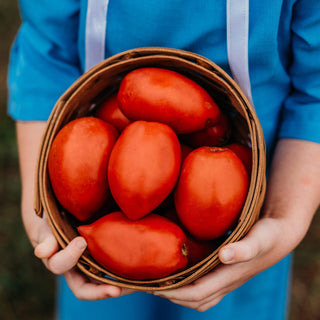
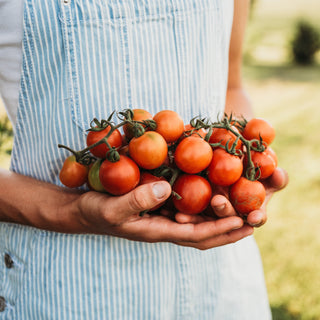
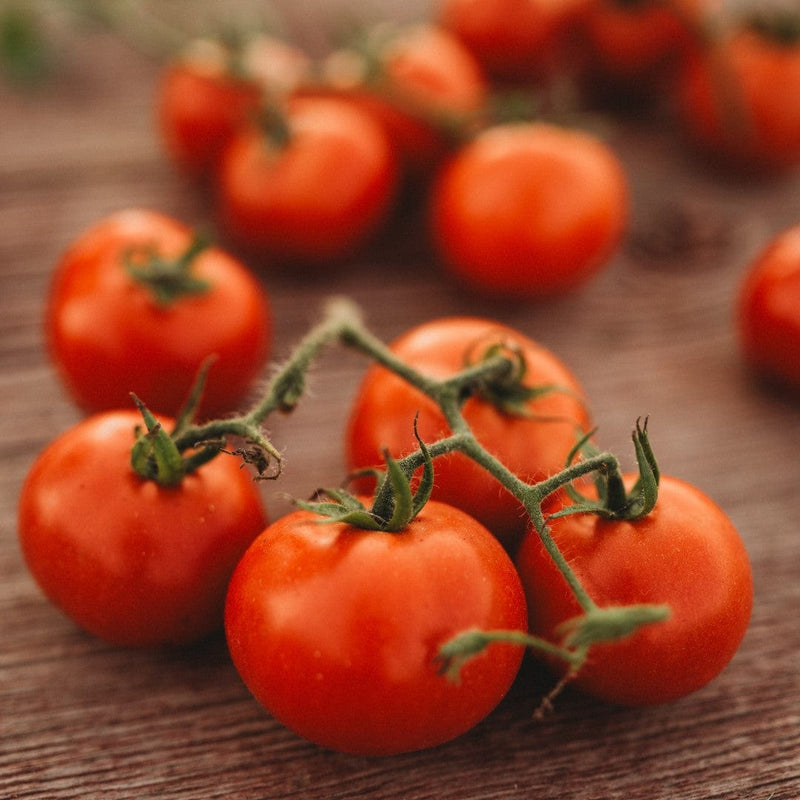
Early bearing plants produce heavy yields of round, red tomatoes averaging 2 to 3 inches across. Tomatoes are born in clusters, allowing them to be harvested "on the vine" a characteristic that makes them especially fun to admire on the kitchen counter. Taken together with their earliness and delicious flavor, we think Perestroika would be an... More
Solanum lycopersicum
Glasnost is a Siberian tomato collected by Bill McDorman shortly before the dissolution of the Soviet Union. During his trip, McDorman visited some of the summer dachas that dotted the Siberian countryside and discovered a treasure trove of heirlooms being maintained by the residents of these cottage settlements. Glasnost is one of those varieties.
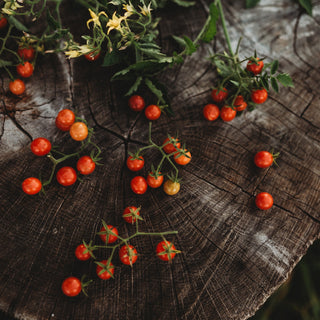
Early bearing plants produce heavy yields of round, red tomatoes averaging 2 to 3 inches across. Tomatoes are born in clusters, allowing them to be harvested "on the vine" a characteristic that makes them especially fun to admire on the kitchen counter. Taken together with their earliness and delicious flavor, we think Perestroika would be an excellent variety for farmers markets. They boast a classic, intense tomato flavor with a meaty texture that rivals many full season varieties. A great variety for high-altitude or northern gardens. Indeterminate. Harvests begin approximately 70 days after harvest.
History: The Glasnost tomato owes its name to the reformation movement implemented by Soviet leader Mikhail Gorbachev which attempted to introduce a degree of openness to the political process. Together with the Perestroika policy, which sought to introduce more market-like influences in the Soviet economy, Glasnost is often argued to be one of the main contributors to the eventual fall of the Soviet Union.
Solanum lycopersicum
Glasnost is a Siberian tomato collected by Bill McDorman shortly before the dissolution of the Soviet Union. During his trip, McDorman visited some of the summer dachas that dotted the Siberian countryside and discovered a treasure trove of heirlooms being maintained by the residents of these cottage settlements. Glasnost is one of those varieties.
Early bearing plants produce heavy yields of round, red tomatoes averaging 2 to 3 inches across.... read more
Solanum lycopersicum
Glasnost is a Siberian tomato collected by Bill McDorman shortly before the dissolution of the Soviet Union. During his trip, McDorman visited some of the summer dachas that dotted the Siberian countryside and discovered a treasure trove of heirlooms being maintained by the residents of these cottage settlements. Glasnost is one of those varieties.
Early bearing plants produce heavy yields of round, red tomatoes averaging 2 to 3 inches across. Tomatoes are born in clusters, allowing them to be harvested "on the vine" a characteristic that makes them especially fun to admire on the kitchen counter. Taken together with their earliness and delicious flavor, we think Perestroika would be an excellent variety for farmers markets. They boast a classic, intense tomato flavor with a meaty texture that rivals many full season varieties. A great variety for high-altitude or northern gardens. Indeterminate. Harvests begin approximately 70 days after harvest.
History: The Glasnost tomato owes its name to the reformation movement implemented by Soviet leader Mikhail Gorbachev which attempted to introduce a degree of openness to the political process. Together with the Perestroika policy, which sought to introduce more market-like influences in the Soviet economy, Glasnost is often argued to be one of the main contributors to the eventual fall of the Soviet Union.