We ship to the United States, its territories and outlying islands. Returns are accepted within 30 days of receipt. Full warranty information can be found here.






✓ Plant with Confidence—Guaranteed Through 2027
 Get it between -
Open-pollinated varieties, perfect for seed saving.
Safe seeds, free of neonics and other treatments.
It's simple. If you have a problem, we make it right.
Capsicum annuum
Chiltepín is a native chile that produces small, round peppers atop large, highly branched plants. Sometimes known a Tepín or bird chile, the chiltepin pepper forms a dense shrub that can be found growing wild throughout parts of the southwestern United States, Central and South America, and the Carribean. It is best known for its tiny, round peppers. In fact, the name "chiltepin" is a compound of the Nahuatl word for "flea" and "chile", an accurate description given the tiny size of its peppers. Don't be fooled by their diminutive stature, though, these chiles pack a powerful punch as our children discovered just after these pictures were taken (scroll for a good story). Chiltepin are most often d... More
Capsicum annuum
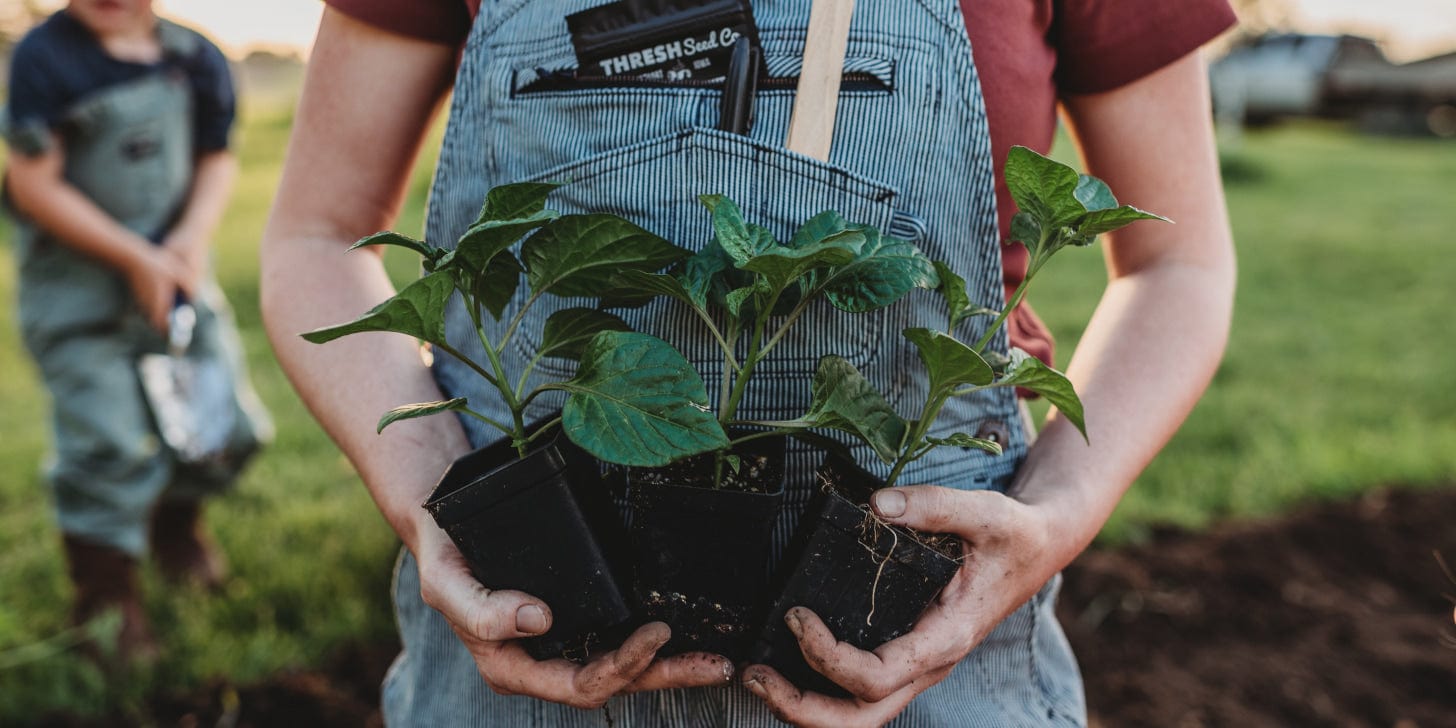
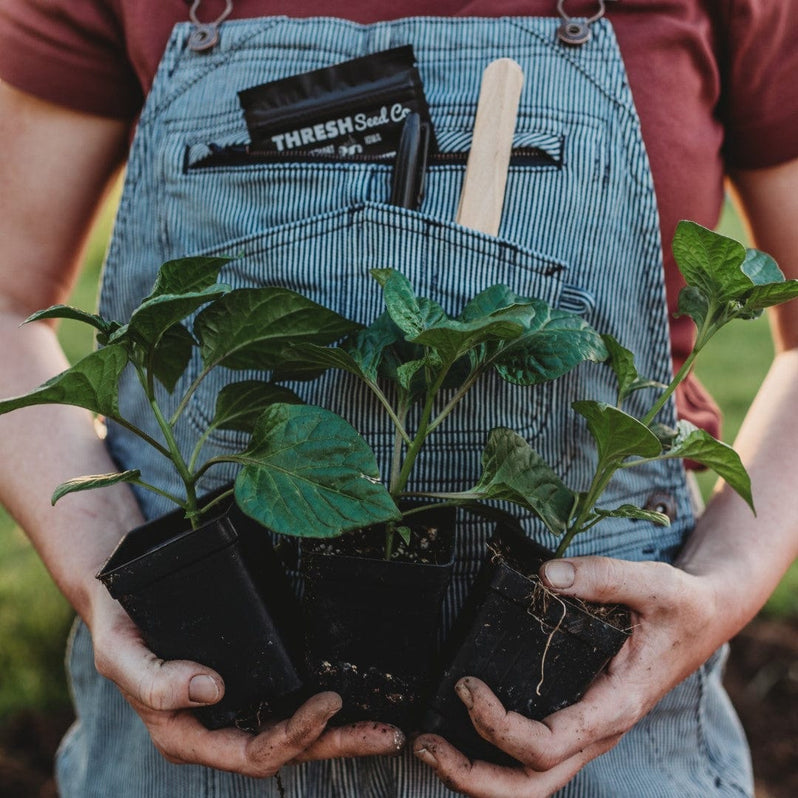
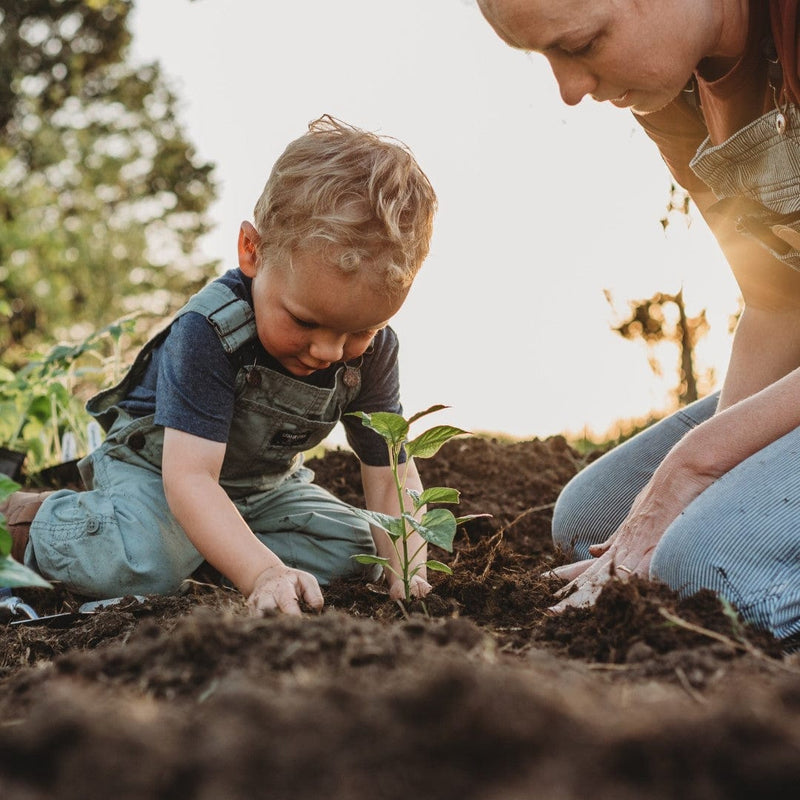
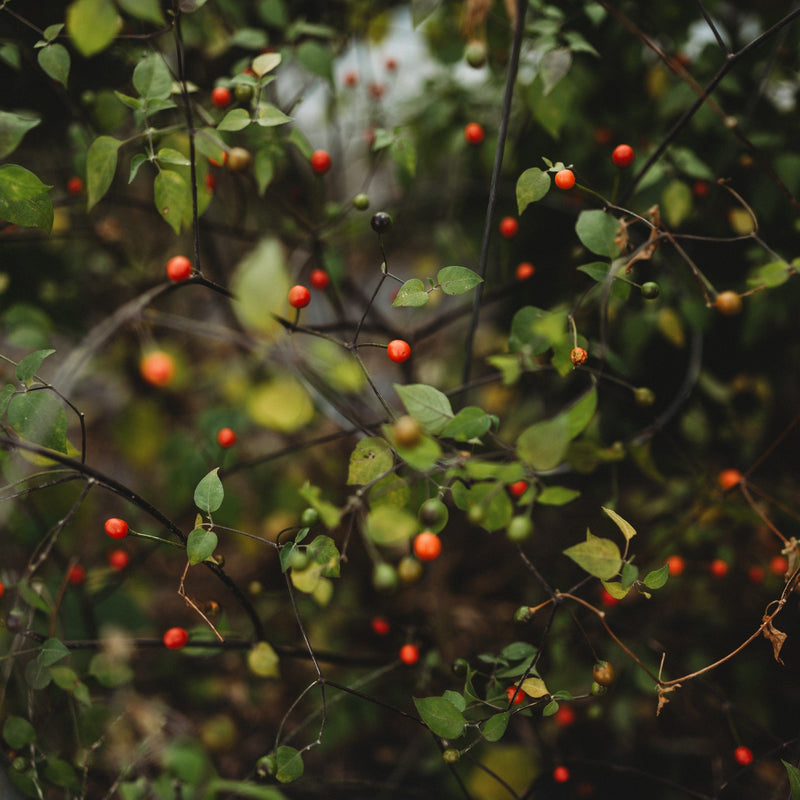
Chiltepín is a native chile that produces small, round peppers atop large, highly branched plants. Sometimes known a Tepín or bird chile, the chiltepin pepper forms a dense shrub that can be found growing wild throughout parts of the southwestern United States, Central and South America, and the Carribean. It is best known for its tiny, round peppers. In fact, the name "chiltepin" is a compound of the Nahuatl word for "flea" and "chile", an accurate description given the tiny size of its peppers. Don't be fooled by their diminutive stature, though, these chiles pack a powerful punch as our children discovered just after these pictures were taken (scroll for a good story). Chiltepin are most often dried and used to make a variety of sauces and seasonings, though they can also be used fresh to make very hot salsa (50,000 to 100,000 Scoville.) The Chiltepin pepper matures approximately days after transplant. Each packet contains a minimum of 25 seeds.
Photo shoot days are always long. In a matter of hours, we need to harvest, prep, stage and photograph around 30 heirloom varieties. And since almost all of our shoots occur in the hour leading up to sunset, known by photographers as the golden hour, it usually means that dinner's going to be late. Not a problem—we'll soon have a whole table of produce to snack on. Dinner solved! Or at least, that's the plan.
Shortly after these pictures were taken, our 6-year-old, thinking they were Texas Tiny tomatoes, grabbed a chiltepin pepper from the table and popped it in her mouth. Now, if you've read the description above, you already know that the chiltepin is a very hot pepper, around 40 times hotter than a jalapeno. This is not a good situation.
Well, to make matters worse, we soon found out that our 2-year-old, ever-aiming to emulate his big sister, had done just the same. And so, before we knew it, we had two children running to the house crying, screaming, and dry heaving. Once inside, I suggested the oldest drink some milk to calm the burn and then turned my attention to the toddler. When I returned to check on her, I realized she had drank nearly half-a-gallon of milk! You can imagine what happened next.
I'm not going to elaborate on the full extent of this chaotic scene, except to add that the 2-year-old was born with a cow's milk allergy. Although he had, by this time, outgrown the allergy, he's never loved milk. Nope, this child only nurses. Looks like we're all going to be in this together.
In the end, it all worked out. Well, after an hour or so of chaos. And I think the kids learned an important lesson about eating things which they cannot positively identify. Or at least we can hope.
Capsicum annuum
Chiltepín is a native chile that produces small, round peppers atop large, highly branched plants. Sometimes known a Tepín or bird chile, the chiltepin pepper forms a dense shrub that can be found growing wild throughout parts of the southwestern United States, Central and South America, and the Carribean. It is best known for its tiny, round peppers. In fact, the name "chiltepin" is a compound of the Nahuatl word for "flea" and "chile", an accurate descr... read more
Capsicum annuum
Chiltepín is a native chile that produces small, round peppers atop large, highly branched plants. Sometimes known a Tepín or bird chile, the chiltepin pepper forms a dense shrub that can be found growing wild throughout parts of the southwestern United States, Central and South America, and the Carribean. It is best known for its tiny, round peppers. In fact, the name "chiltepin" is a compound of the Nahuatl word for "flea" and "chile", an accurate description given the tiny size of its peppers. Don't be fooled by their diminutive stature, though, these chiles pack a powerful punch as our children discovered just after these pictures were taken (scroll for a good story). Chiltepin are most often dried and used to make a variety of sauces and seasonings, though they can also be used fresh to make very hot salsa (50,000 to 100,000 Scoville.) The Chiltepin pepper matures approximately days after transplant. Each packet contains a minimum of 25 seeds.
Photo shoot days are always long. In a matter of hours, we need to harvest, prep, stage and photograph around 30 heirloom varieties. And since almost all of our shoots occur in the hour leading up to sunset, known by photographers as the golden hour, it usually means that dinner's going to be late. Not a problem—we'll soon have a whole table of produce to snack on. Dinner solved! Or at least, that's the plan.
Shortly after these pictures were taken, our 6-year-old, thinking they were Texas Tiny tomatoes, grabbed a chiltepin pepper from the table and popped it in her mouth. Now, if you've read the description above, you already know that the chiltepin is a very hot pepper, around 40 times hotter than a jalapeno. This is not a good situation.
Well, to make matters worse, we soon found out that our 2-year-old, ever-aiming to emulate his big sister, had done just the same. And so, before we knew it, we had two children running to the house crying, screaming, and dry heaving. Once inside, I suggested the oldest drink some milk to calm the burn and then turned my attention to the toddler. When I returned to check on her, I realized she had drank nearly half-a-gallon of milk! You can imagine what happened next.
I'm not going to elaborate on the full extent of this chaotic scene, except to add that the 2-year-old was born with a cow's milk allergy. Although he had, by this time, outgrown the allergy, he's never loved milk. Nope, this child only nurses. Looks like we're all going to be in this together.
In the end, it all worked out. Well, after an hour or so of chaos. And I think the kids learned an important lesson about eating things which they cannot positively identify. Or at least we can hope.